研究Research
研究室はどんなところ?
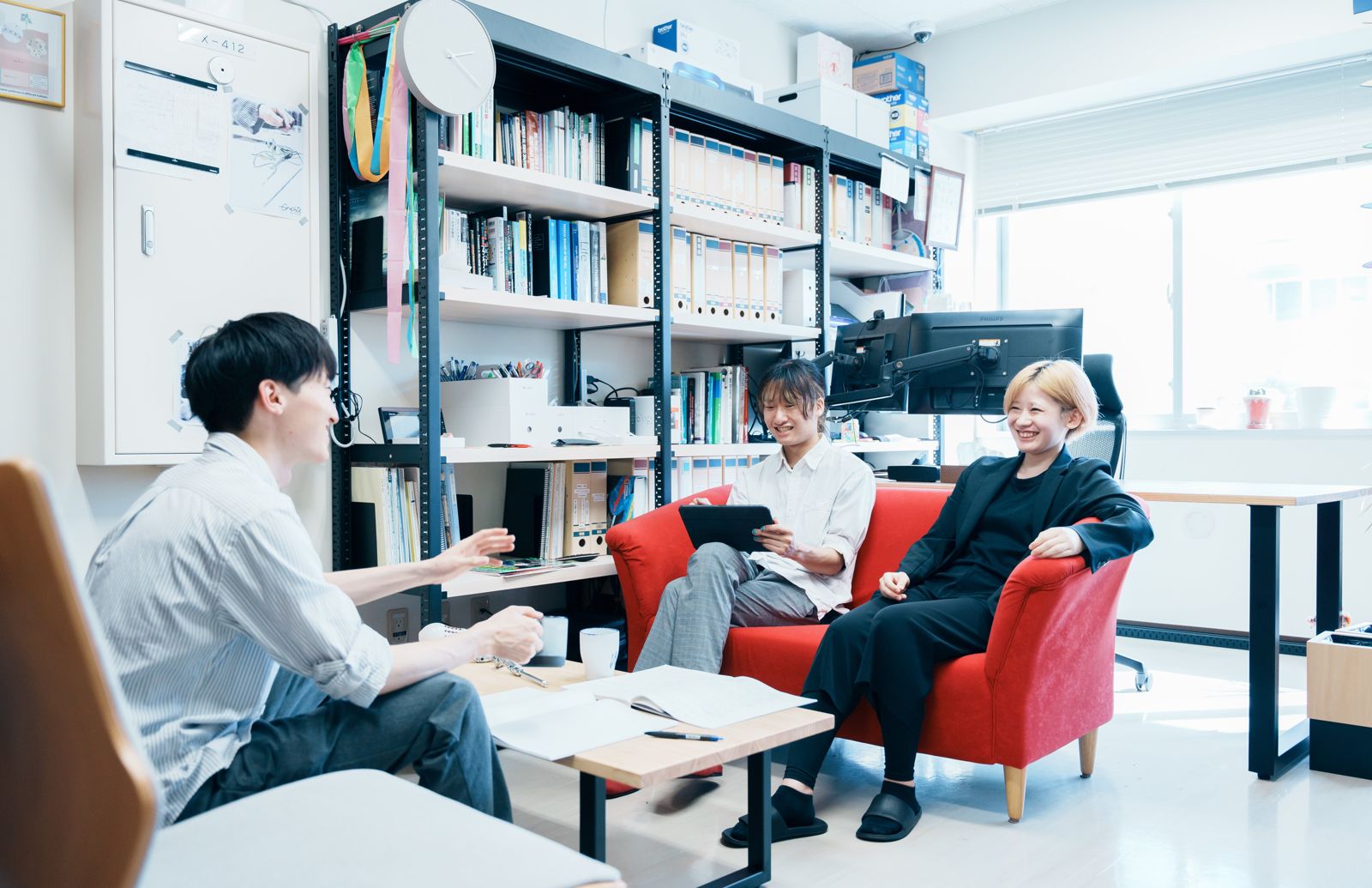
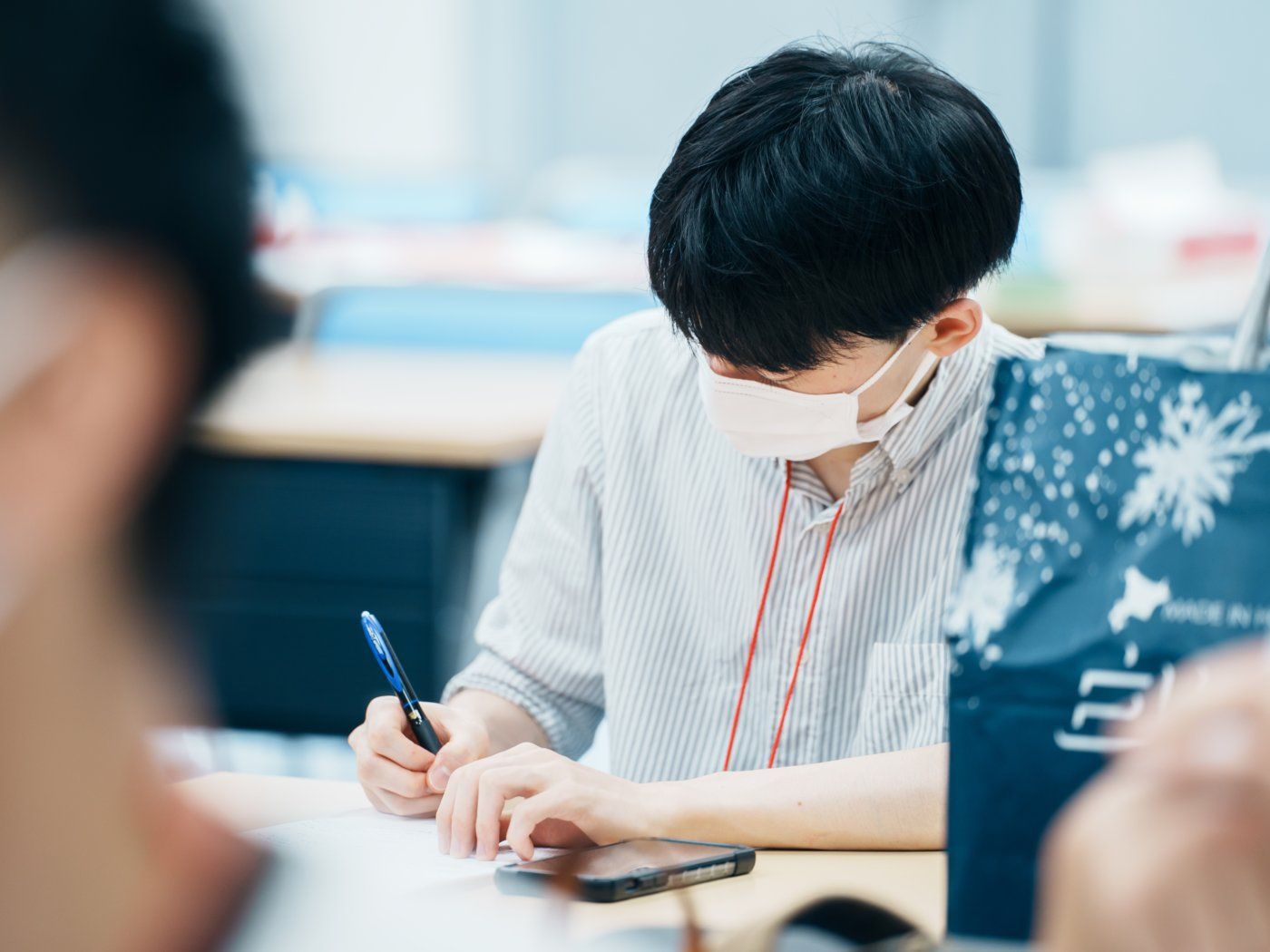
2020年10月に立ち上がった新しい研究室です。ラボの建物自体は新しくはありませんが、整理整頓・綺麗な研究環境を整えるために、中根が日夜掃除に励んでいます。学生さんの見学はいつでもウェルカムです。中根までお気軽にご連絡ください。
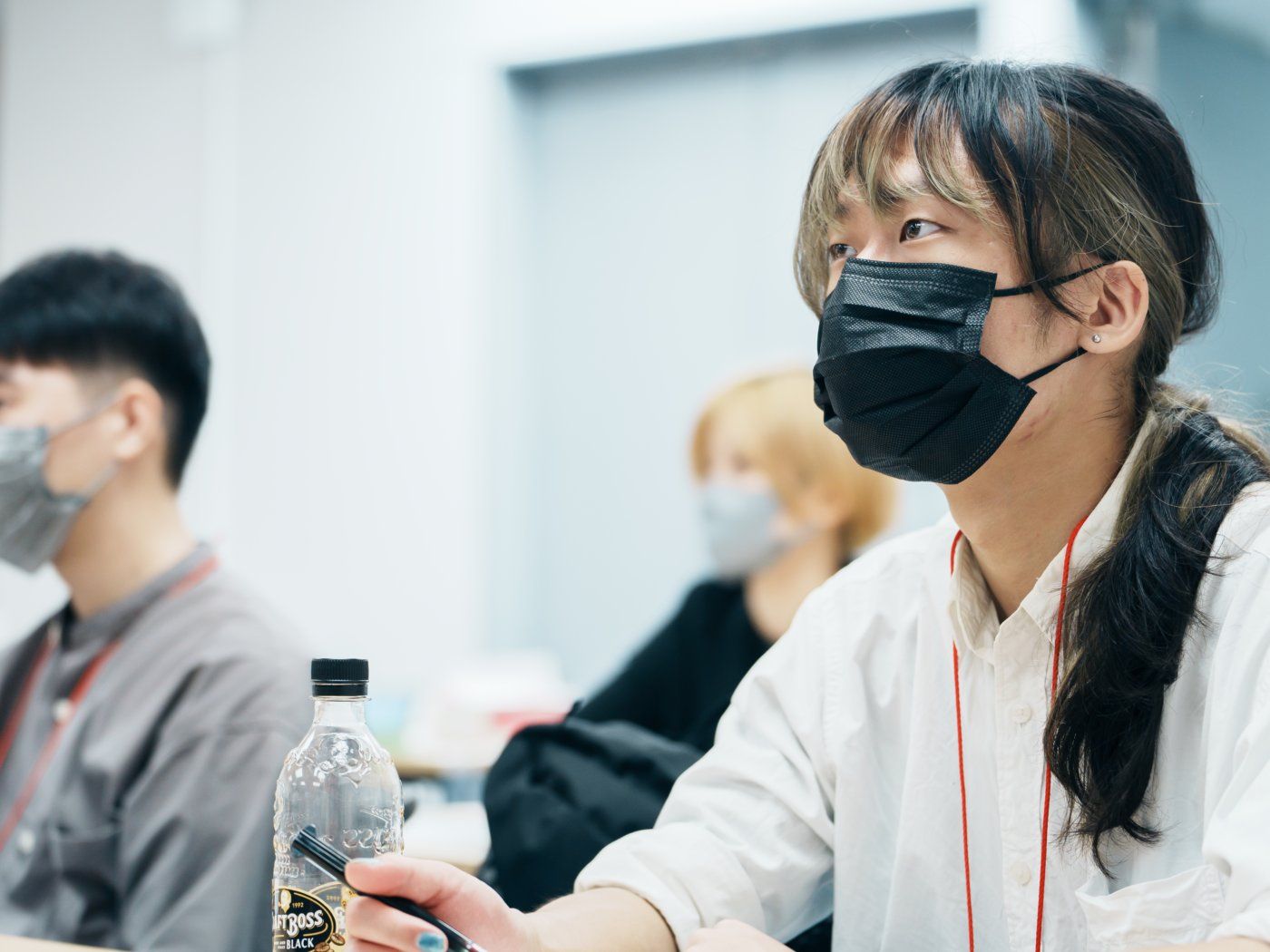
「微生物」や「光学顕微鏡」について、詳しくないけれど、これから勉強してみたいという方も歓迎します。自主的に勉強ができるように、たくさんの本も用意しています。前所属のボスから、格好良い赤いソファー(私物)もいただきました。ここで研究の議論をしましょう。
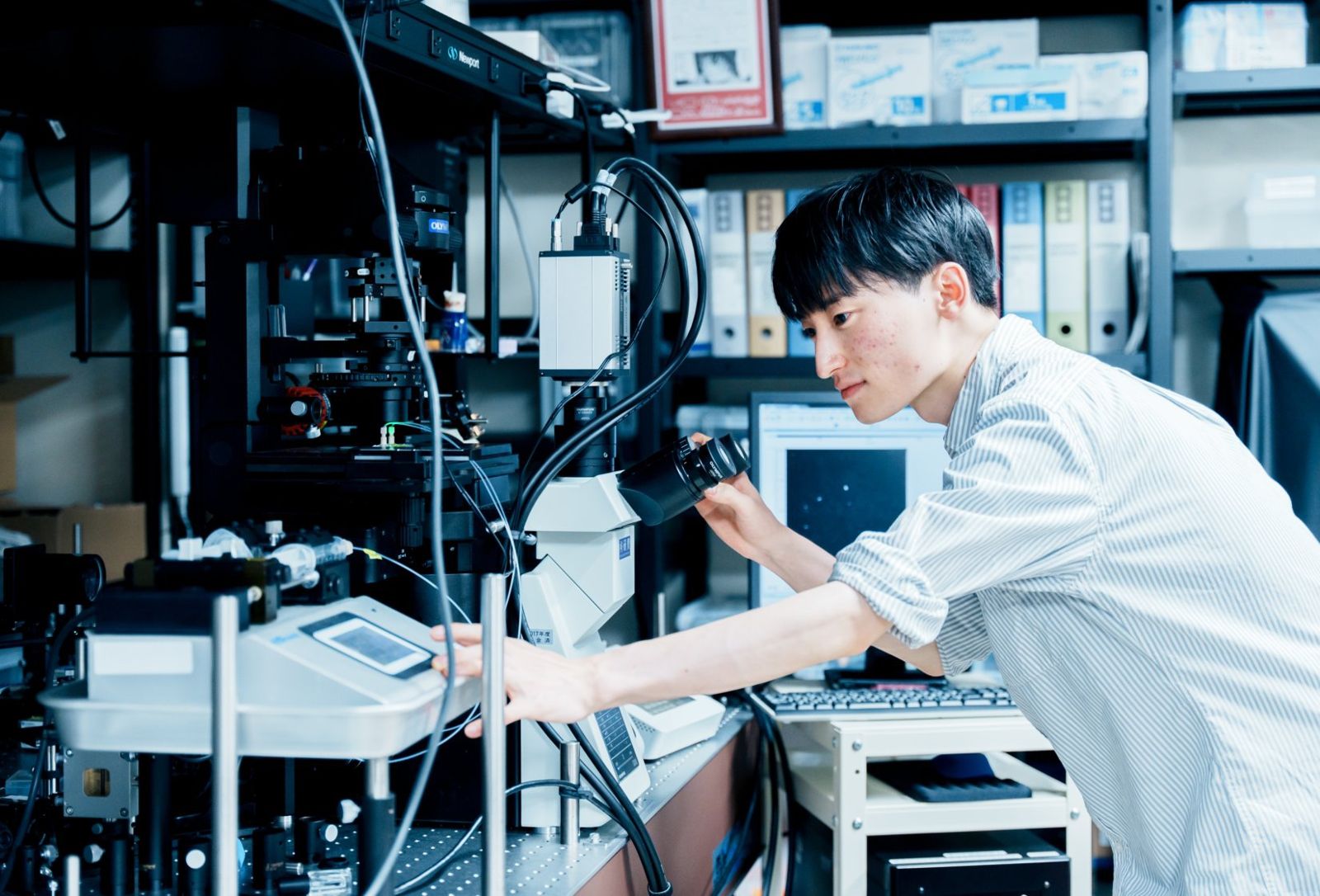
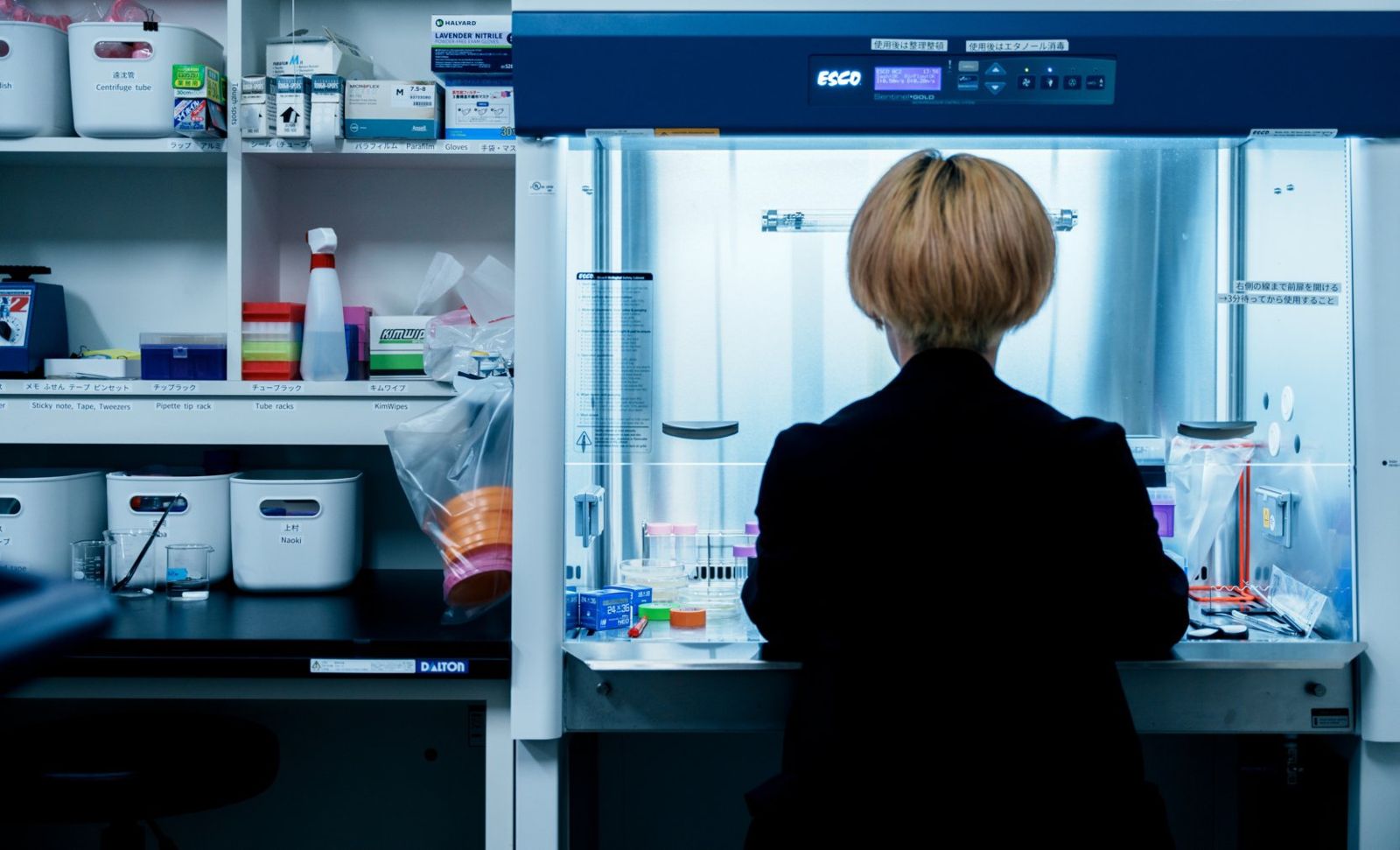
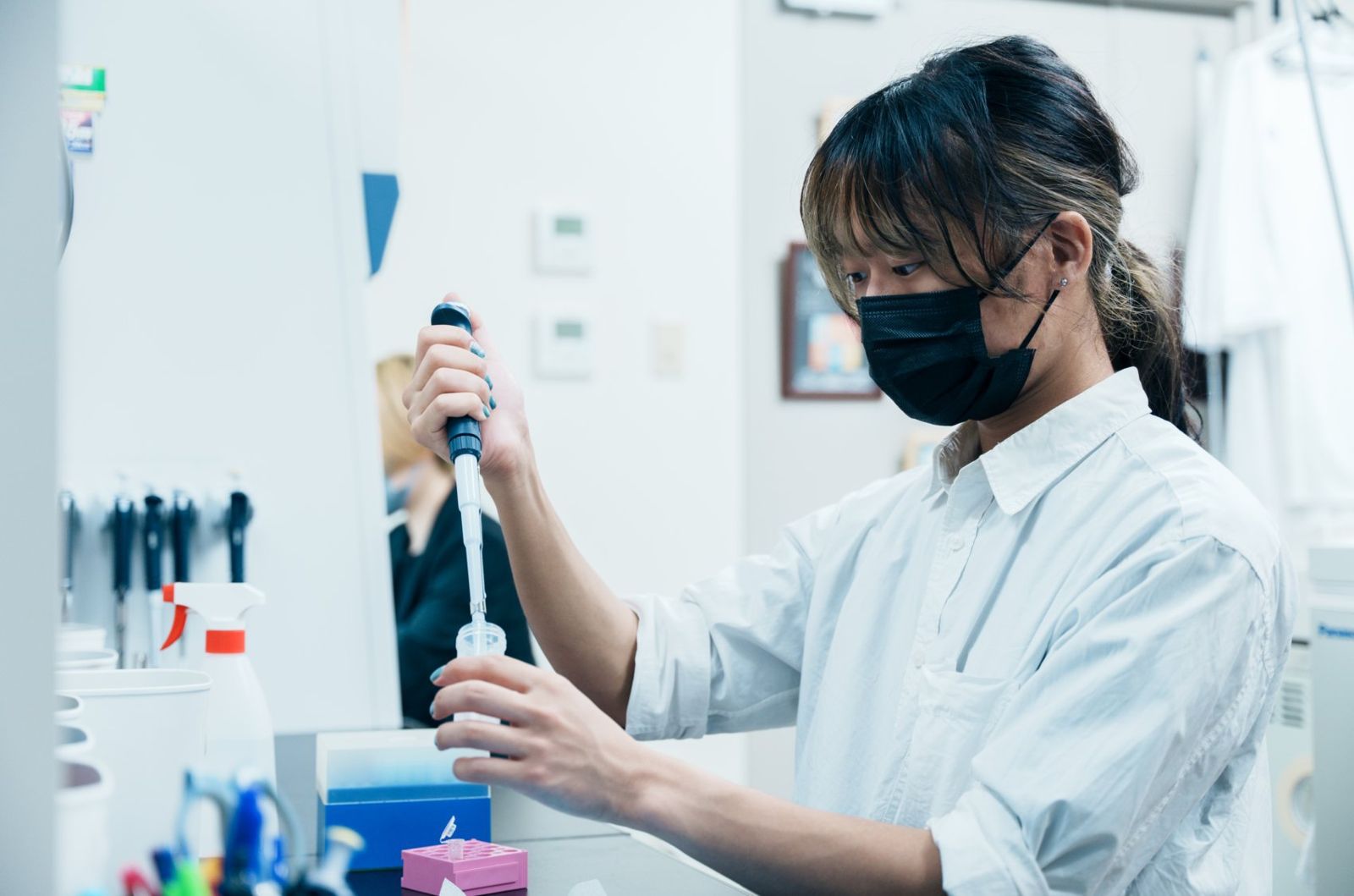
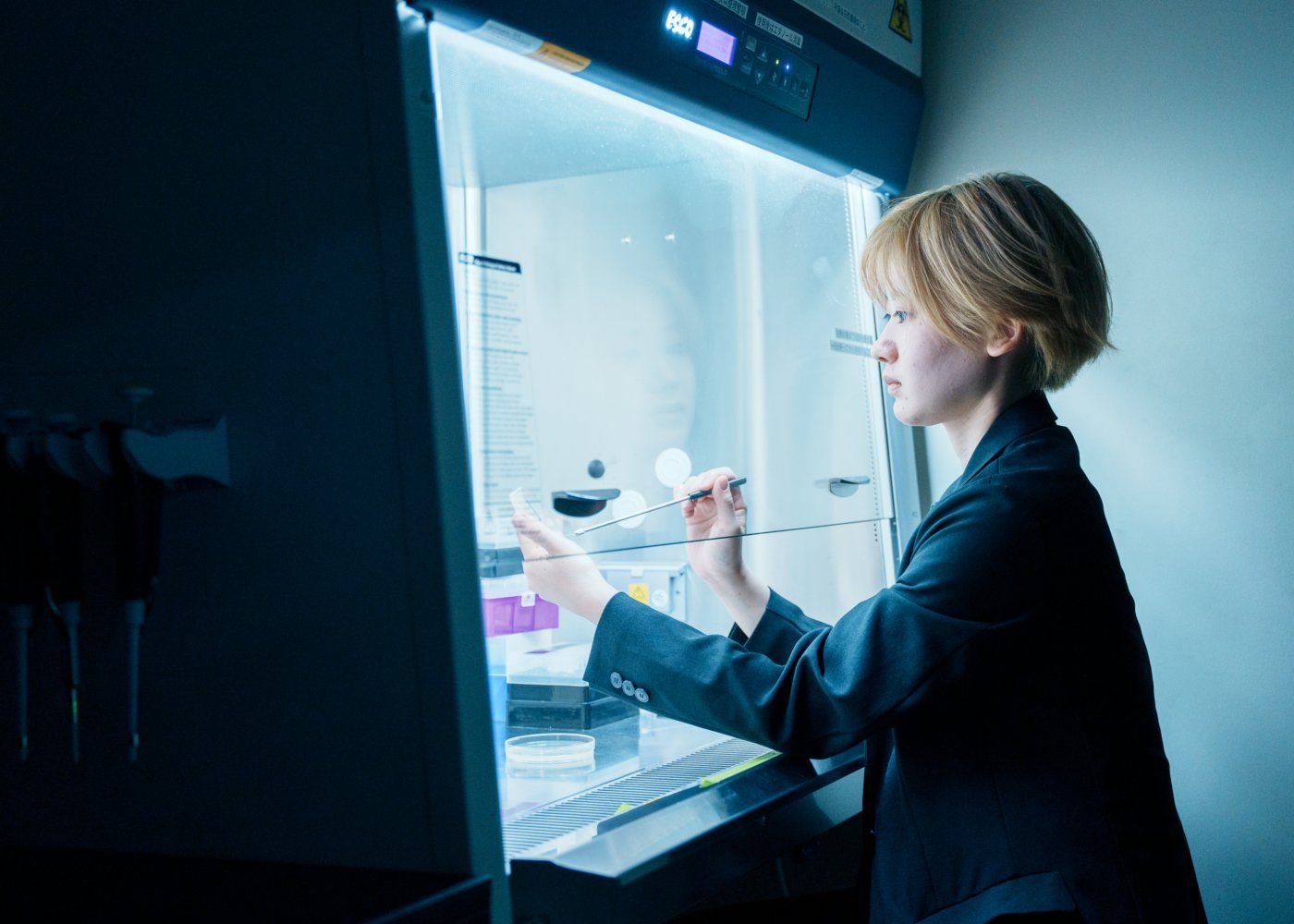
研究室には「微生物」を培養するための機器が並んでいます。-80℃に保存された超低温冷凍庫から微生物を取り出し、恒温器で培養します。たくさんのバクテリアを持っているので、テーマが重複することもありません。どのバクテリアの研究をはじめたいか、みなさんの希望と相談しながら独立したテーマを決めていきます。
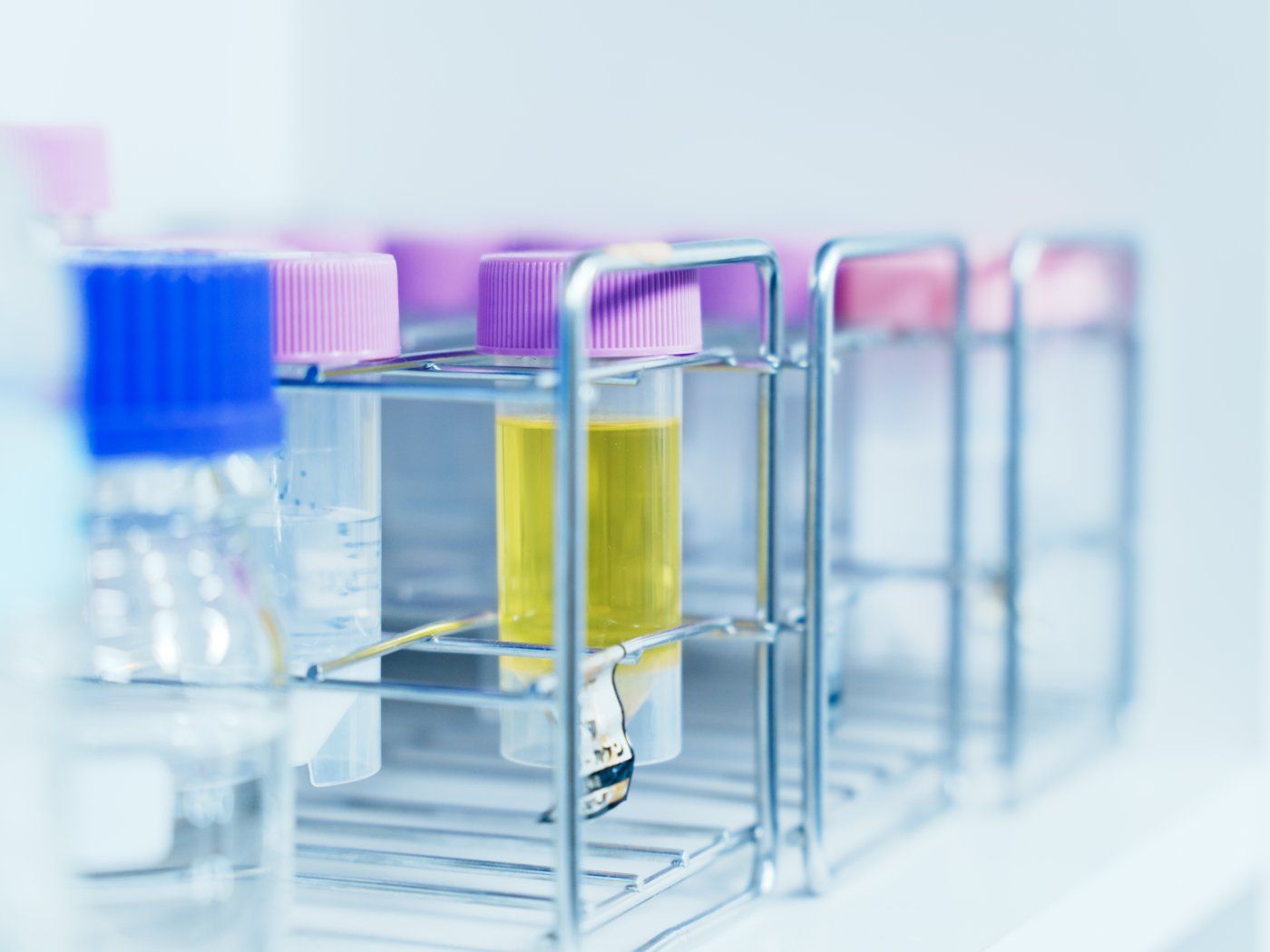
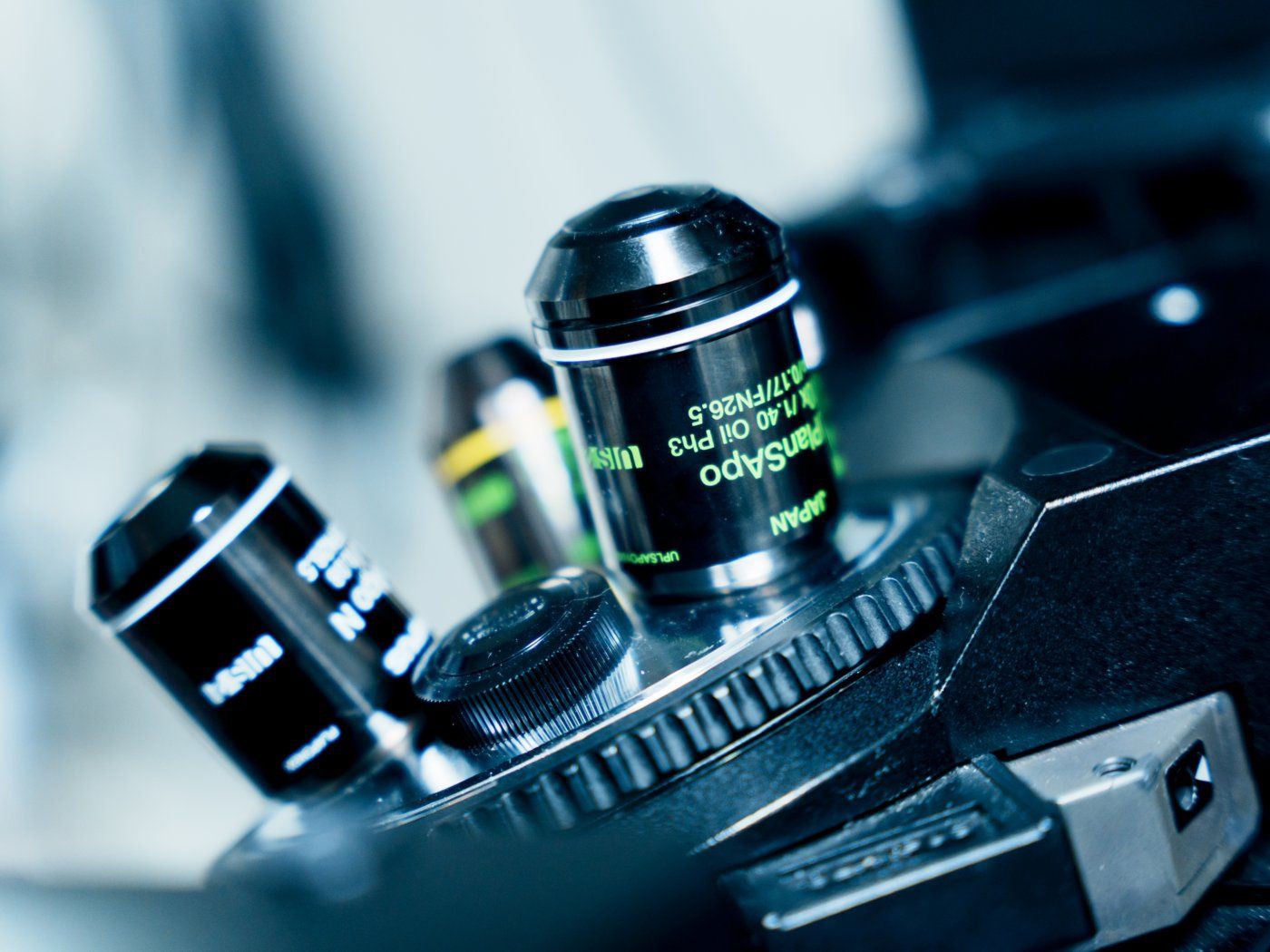
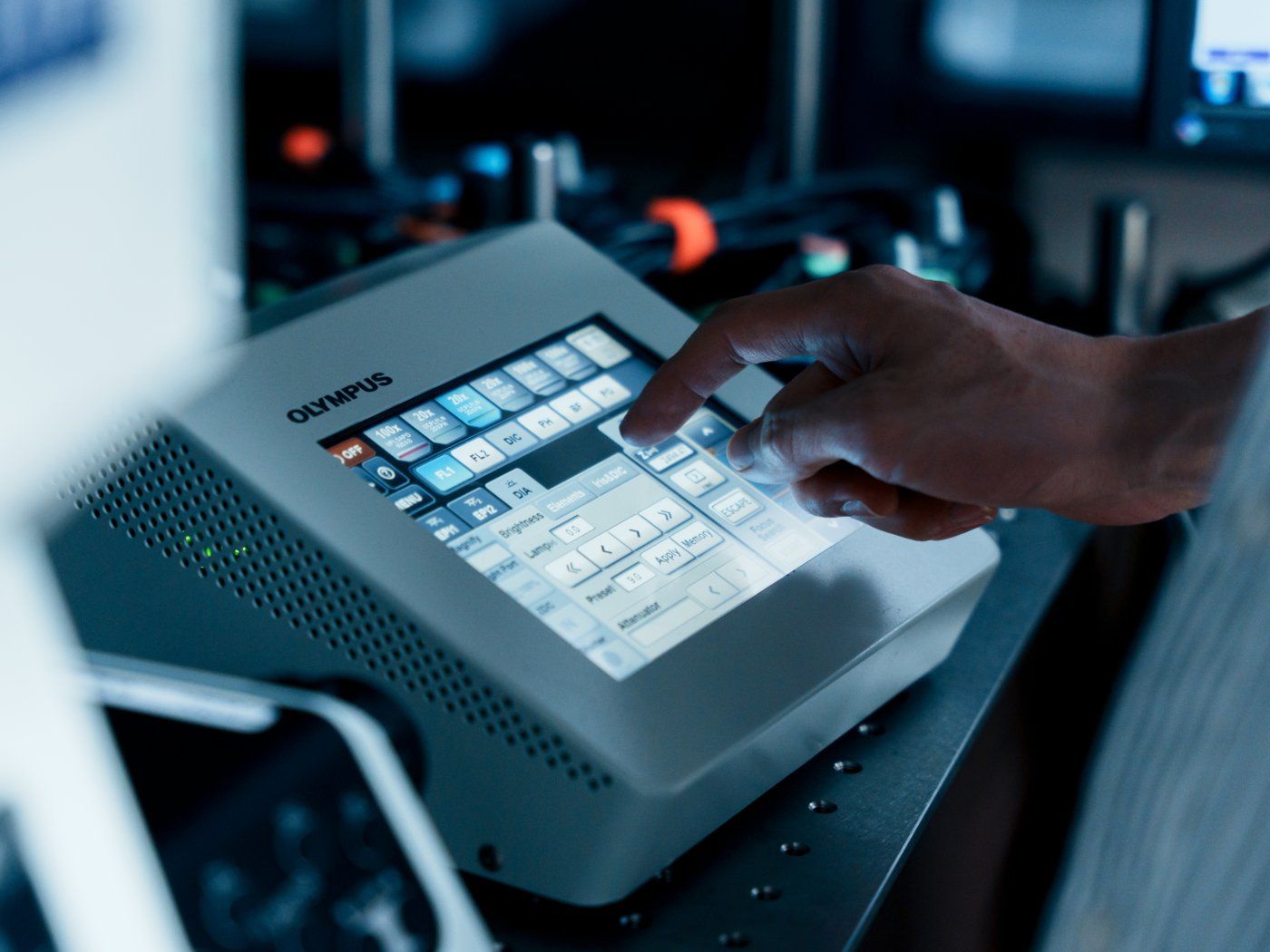
培養したバクテリアは、光学顕微鏡で観察します。何を測定したいのか、何を見たいのか、やりたいことそれぞれでセットアップがかわります。みなさんのテーマにあわせて、装置をカスタマイズすることも研究の楽しみの1つです。
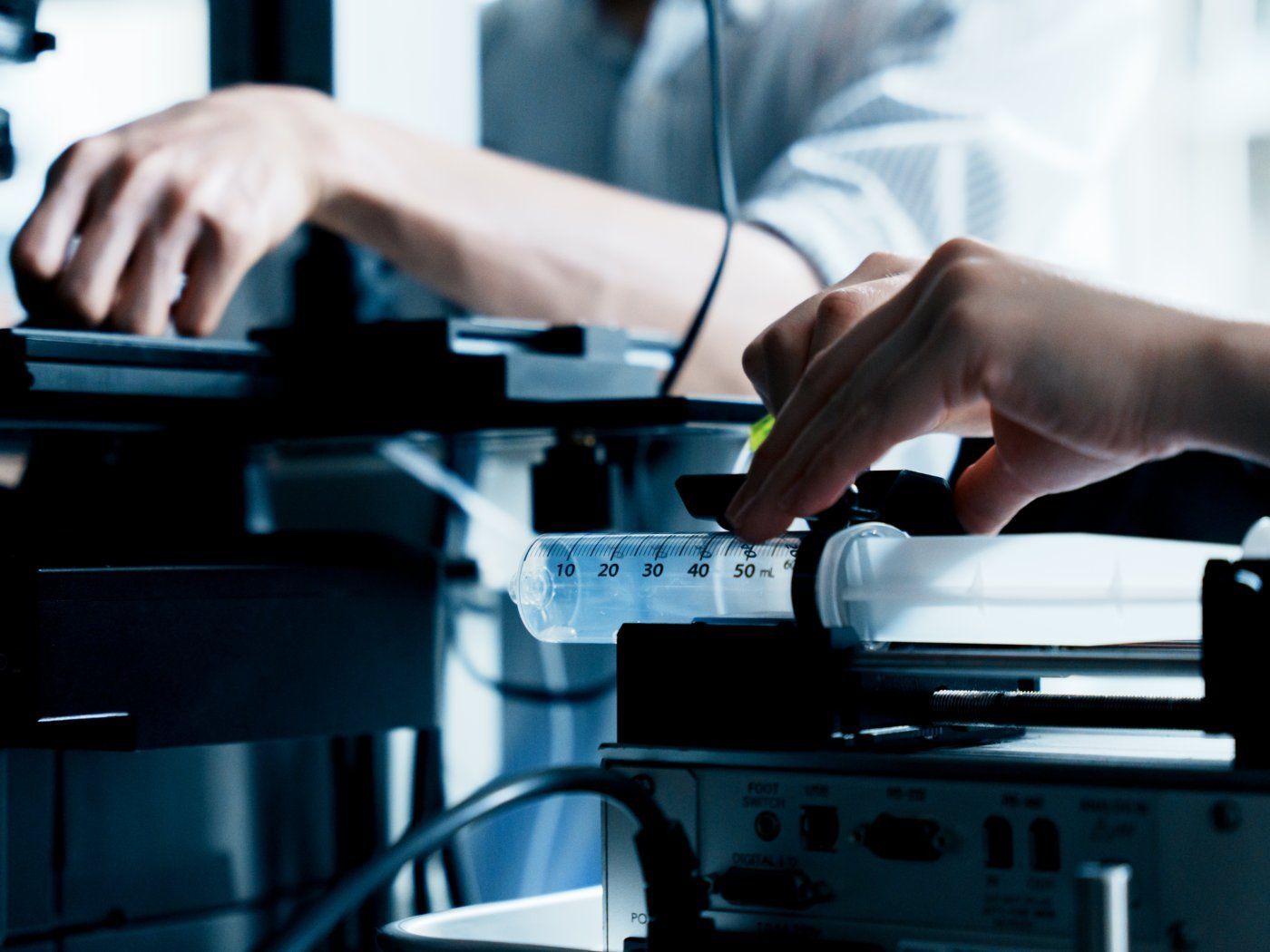
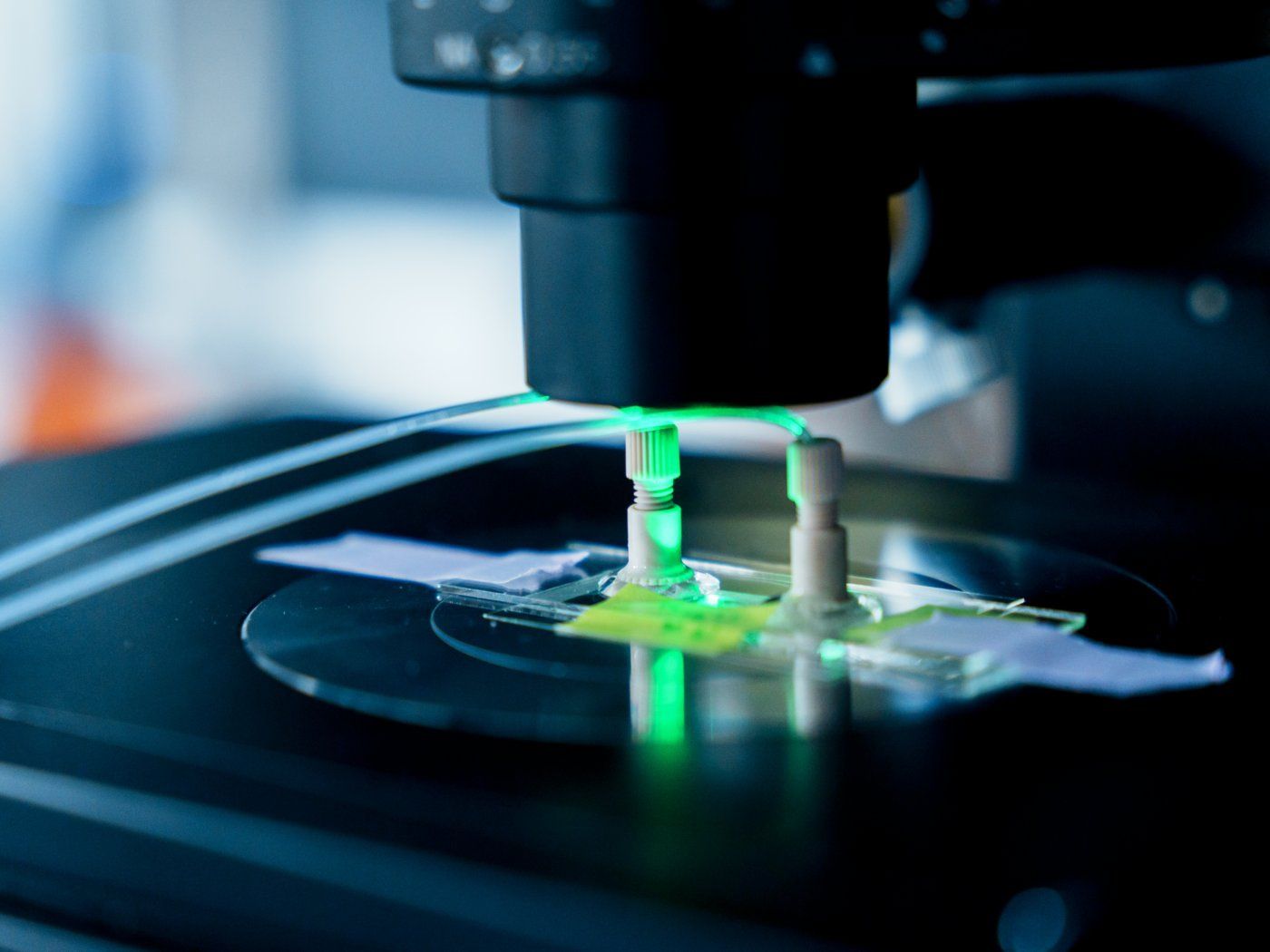
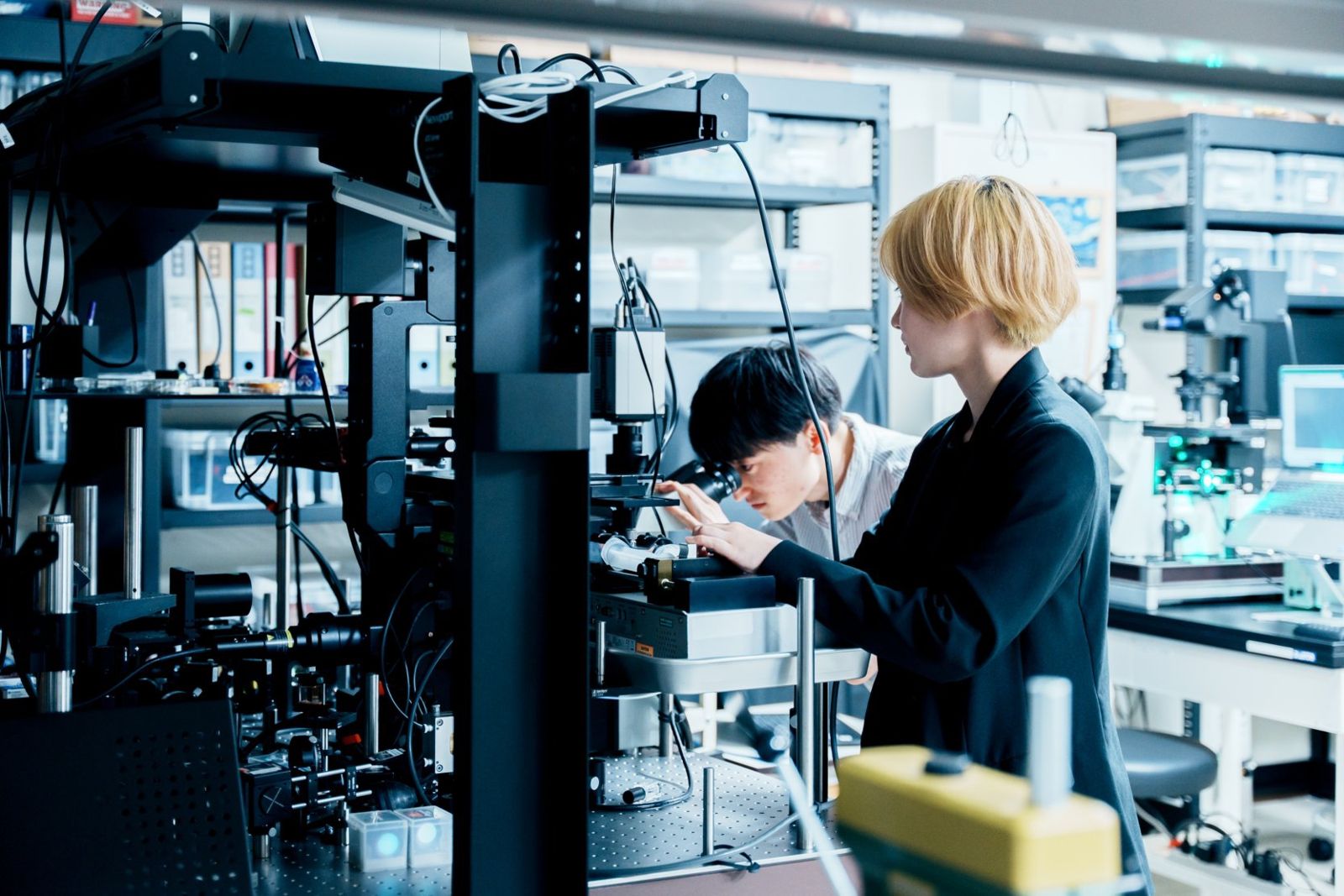
測定によっては、装置に工夫を加えます。装置に自分自身で触れて、よく理解して実験をする。時間のかかることですが、このプロセスがとても大事です。光学部品もそろっているので、自分だけの特別な顕微鏡を考えることも可能です。
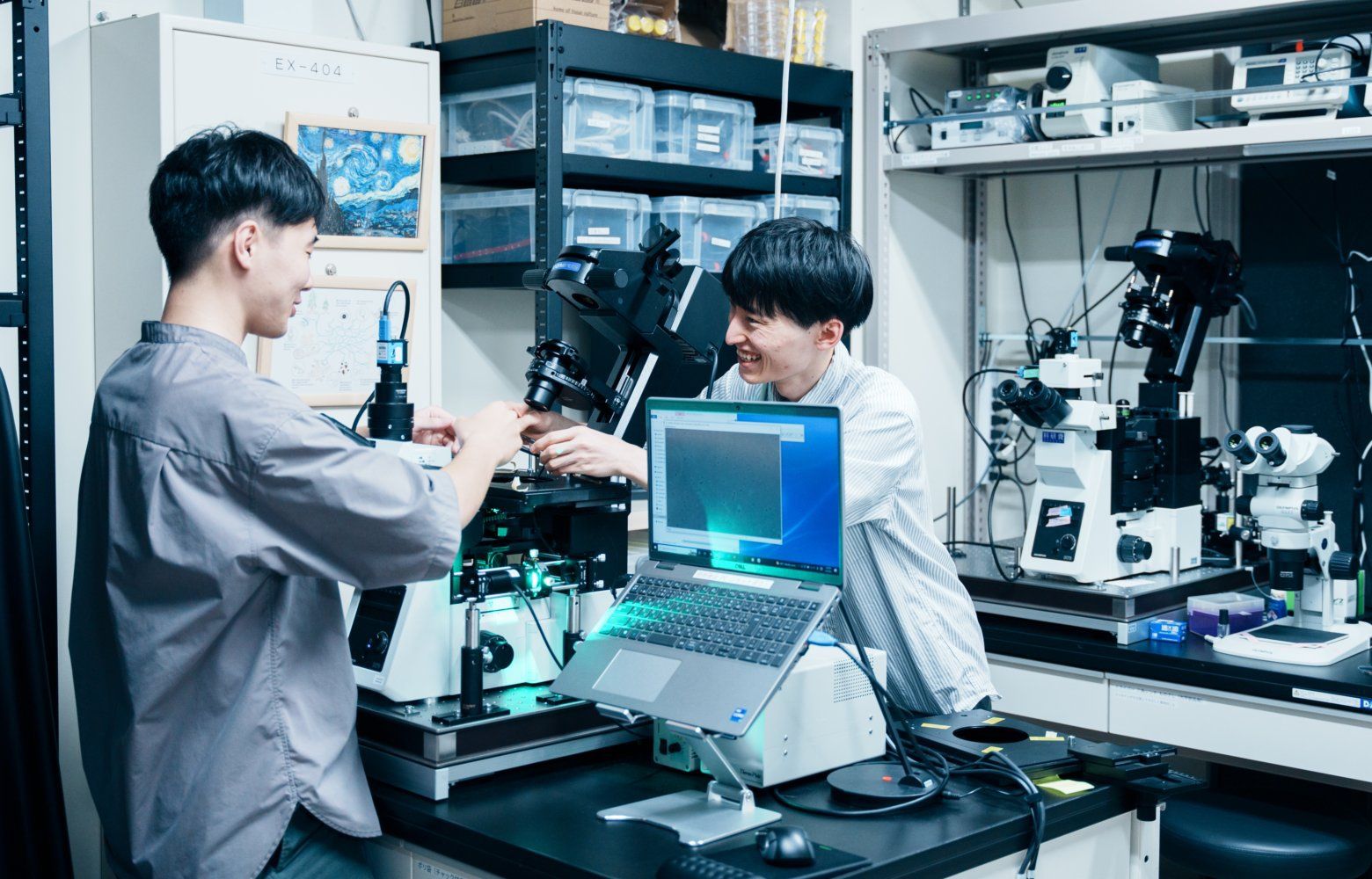
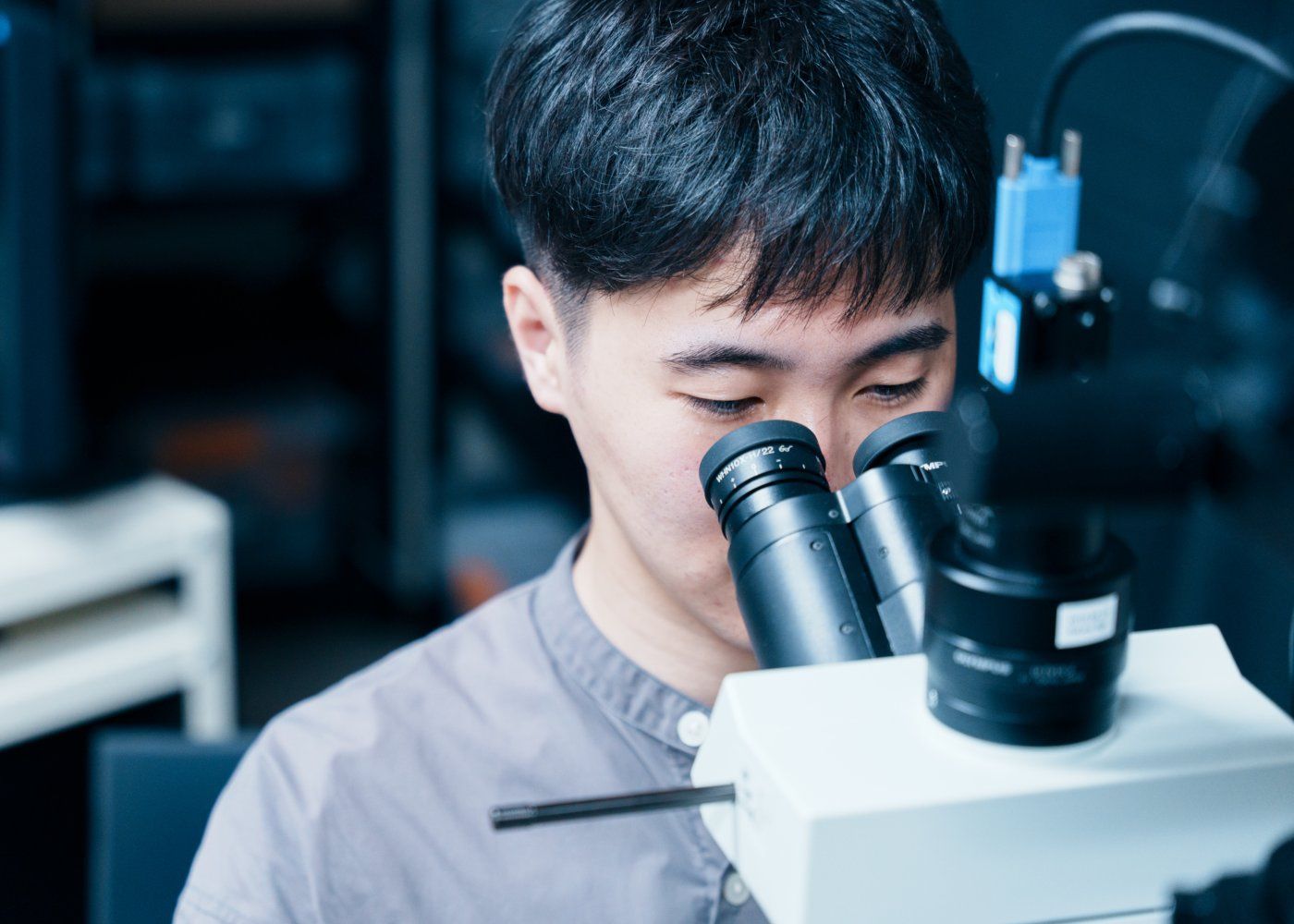
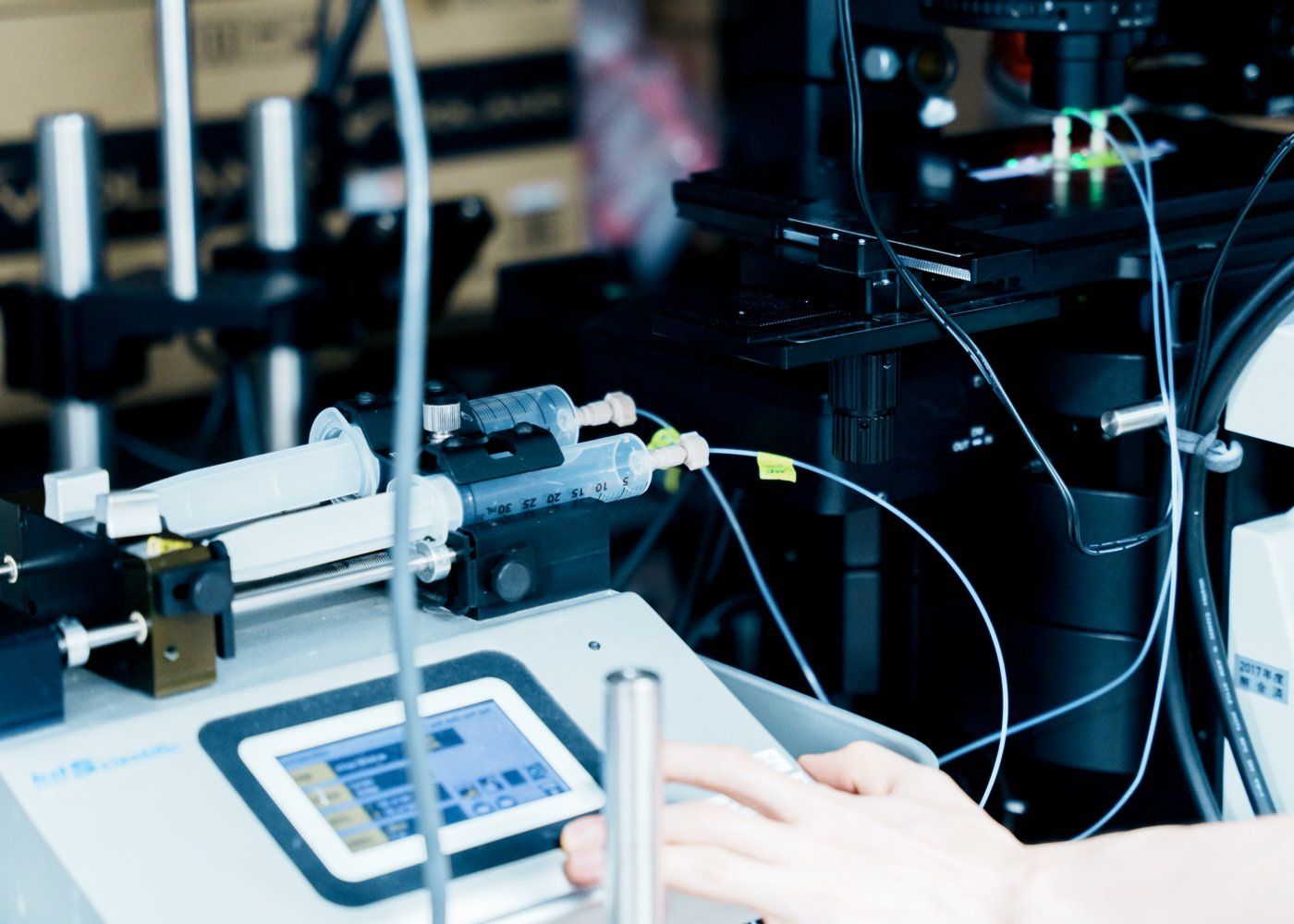
興味を持った方は、是非、研究室まで尋ねに来てください。
研究室の扉には、微生物の写真などを飾っているので、一目瞭然です。
どんな研究をしているの?
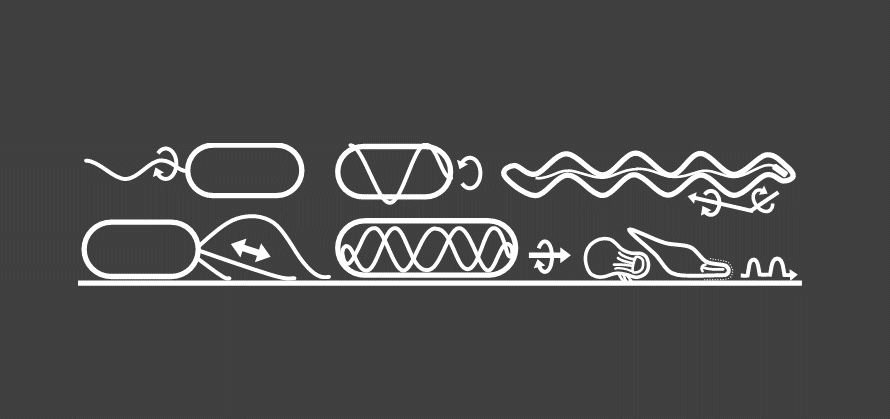
微生物の動きを研究しています。
中根研は、2020年10月に立ち上がった生命科学系の研究室です。1ミリの1000分の1ほどの小さな生物を眺めることで、生命科学の新しい世界を紐解くことに、日々挑戦しています。光学顕微鏡をちょっと工夫して、一緒に観察しませんか?生命の秘密を解き明かすことができます。
We are interested in how bacteria move.
Movement is a fundamental attribute of all living organisms. Many bacteria swim freely in a fluid with a rotation of flagella filament. On the other hand, some tiny organisms have developed several varieties of cell motility without flagella. These mysterious movements have been very attractive to many researchers for long time. But it had remained unclear how bacteria move without flagella, and what is the machinery for cell propulsion. Recent advance on the visualization techniques of optical microscopy provides us dynamic behaviors of molecular machineries at a single cellular level in detail.
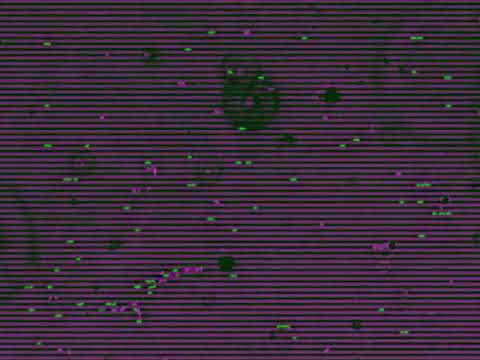
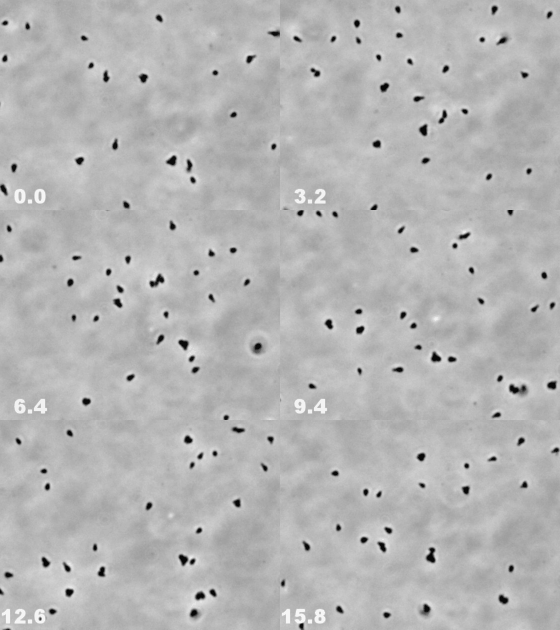
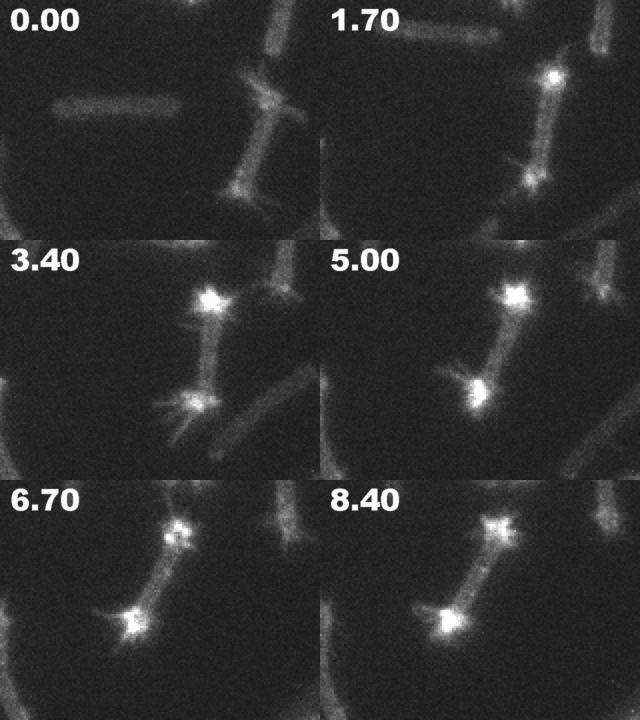
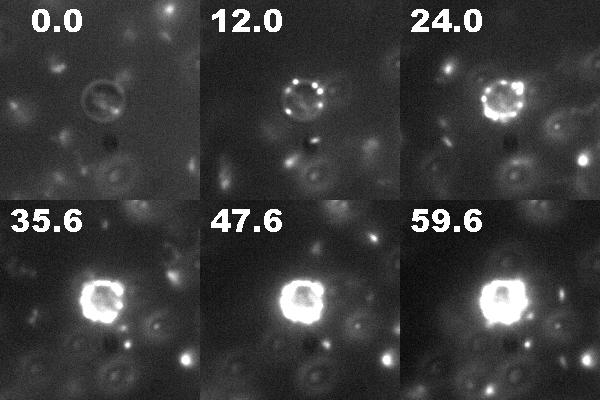
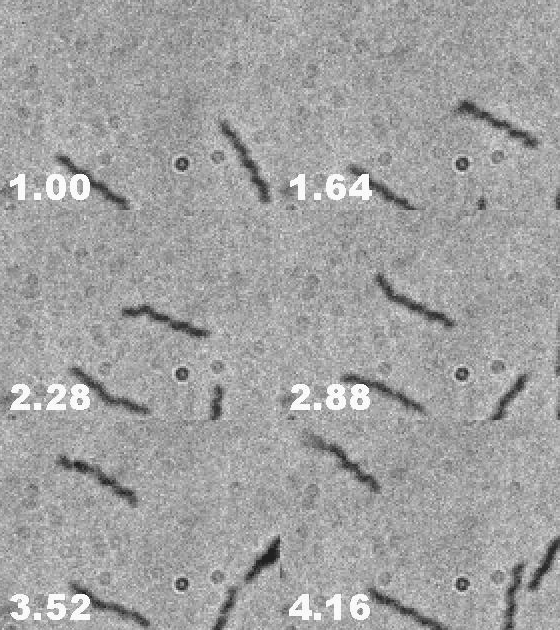
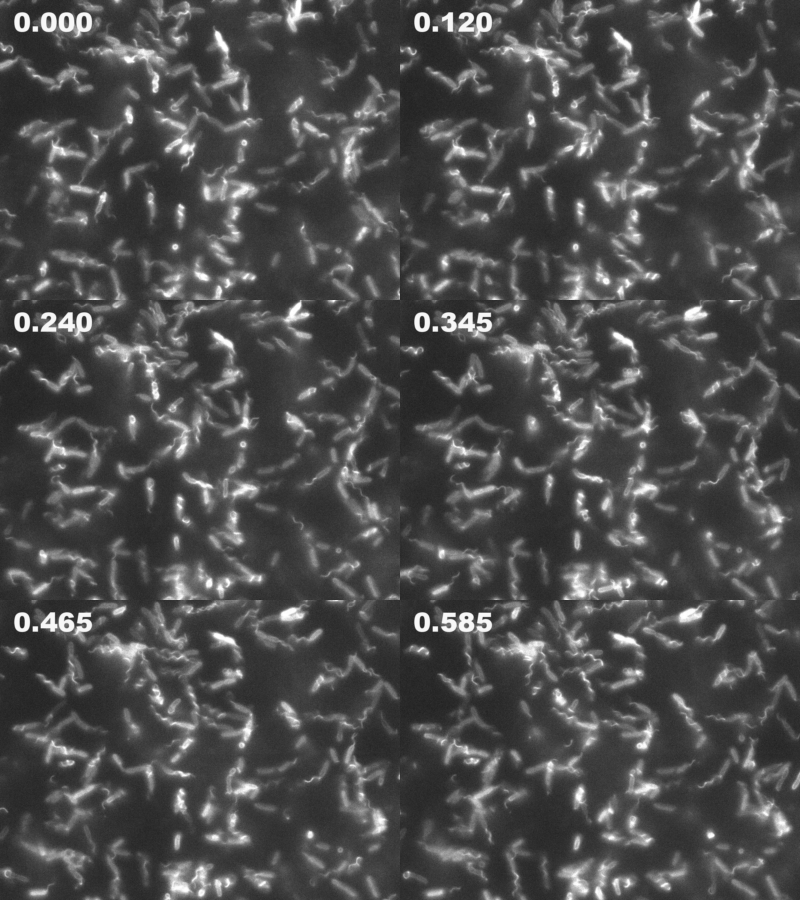
Caballeronia insecticola 微小流体デバイスで狭小空間を作ると、その中をスムーズに動きます。
Thermus thermophilus 水流に逆らって運動します。
Flavobacterium johnsoniae 戦車のような仕組みで這う細菌です。
Mycoplasma mobile & Mycoplasma pneumoniae 小さな細菌です。水流に逆らって動きます。
Synechocystis sp PCC6803 & Thermosynechococcus vulcanus スパイダーマンのように「糸」の伸縮で動きます。
Spiroplasma eriocheris 自分の体に「ねじれ」をつくって泳ぎます。べん毛がないのに動けます。
Caballeronia insecticola (Burkholderia insecticola) & Campylobacter jejuni べん毛を体に巻き付けて「ドリル」のように進みます。
微生物、特に細菌(バクテリア)の動きは実に多様で、なぜ・どのように動くのか、わかっていないことがたくさんあります。私たちは、光学顕微鏡をつかって、細菌 1個体や運動装置 1ユニットがどのように動くのか、マイクロ・ナノスケールでの「動き」や「かたち」のイメージングすることで、これまで誰も見たことがない微生物の新しい世界を覗き、新しい研究領域を開拓することに挑戦しています。
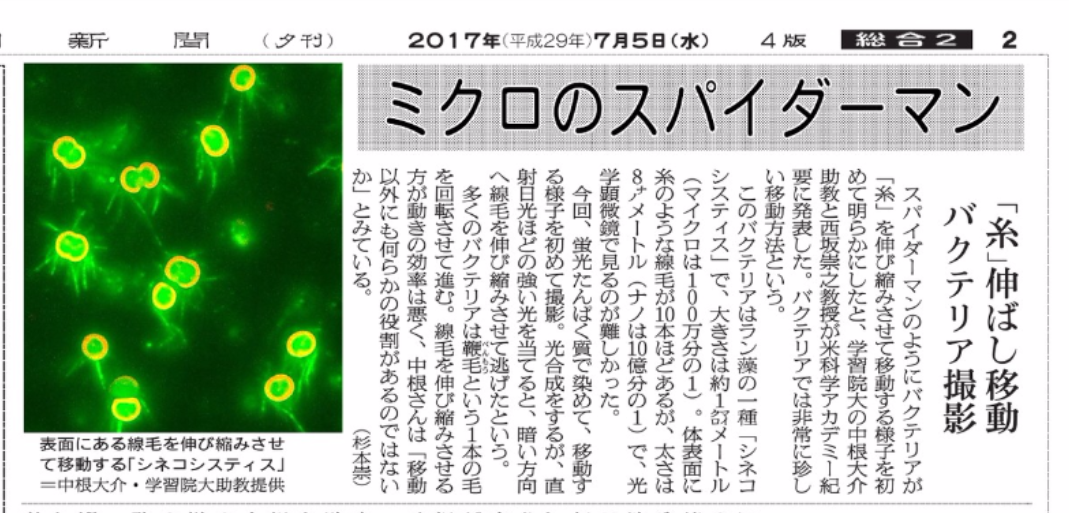
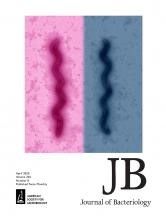
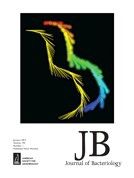
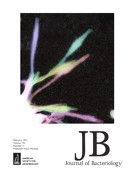
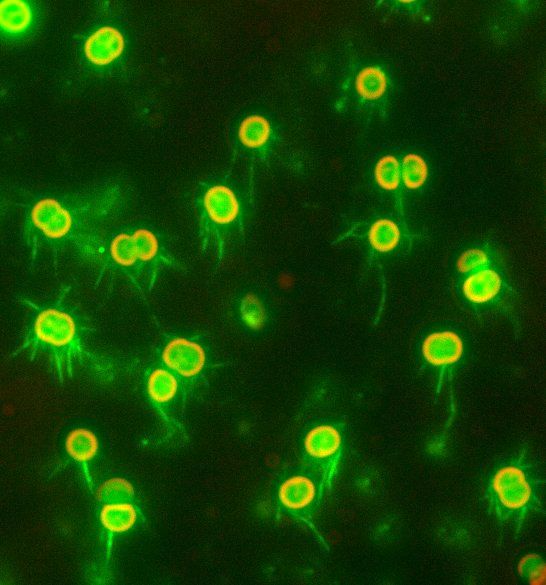
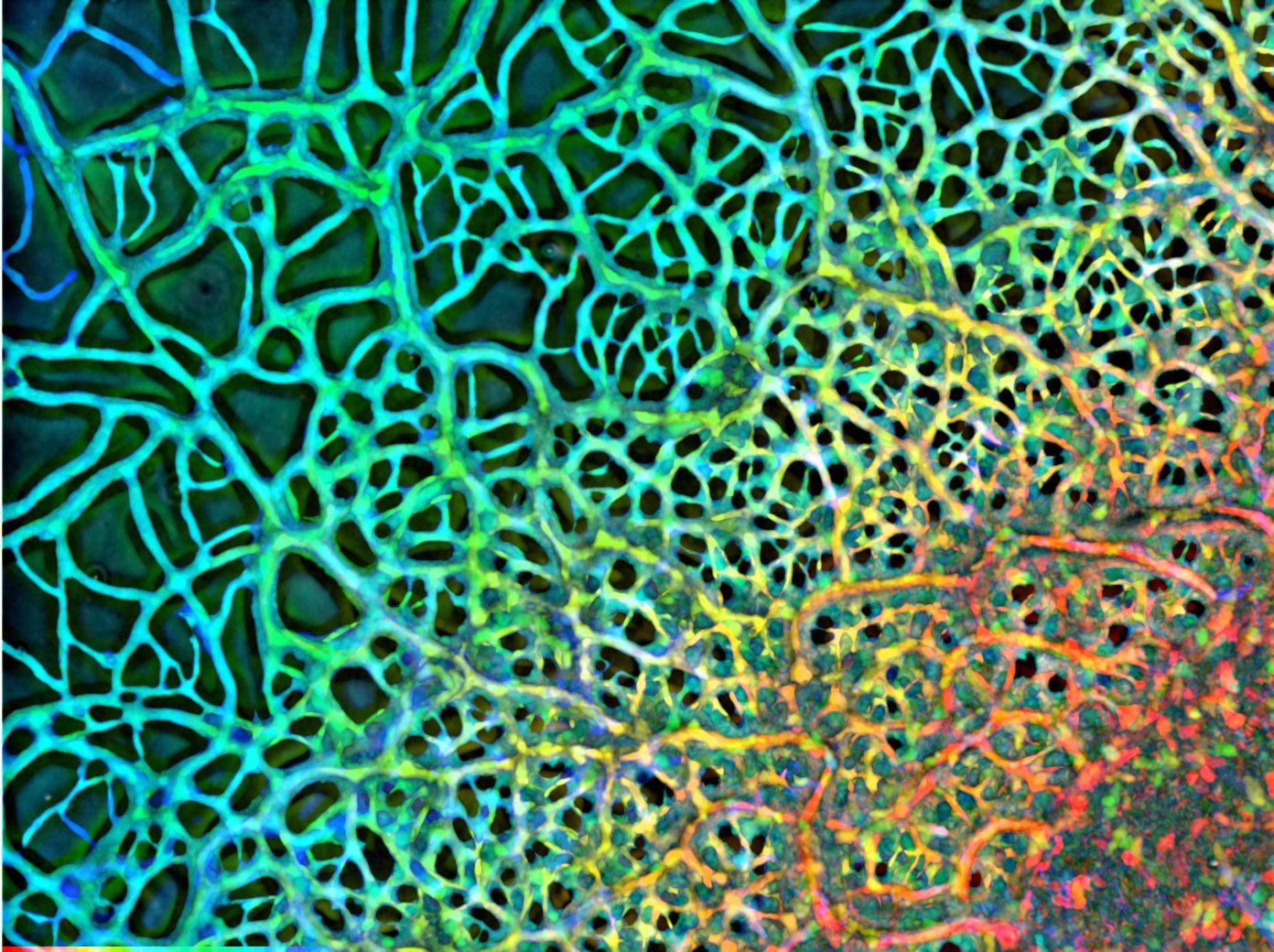
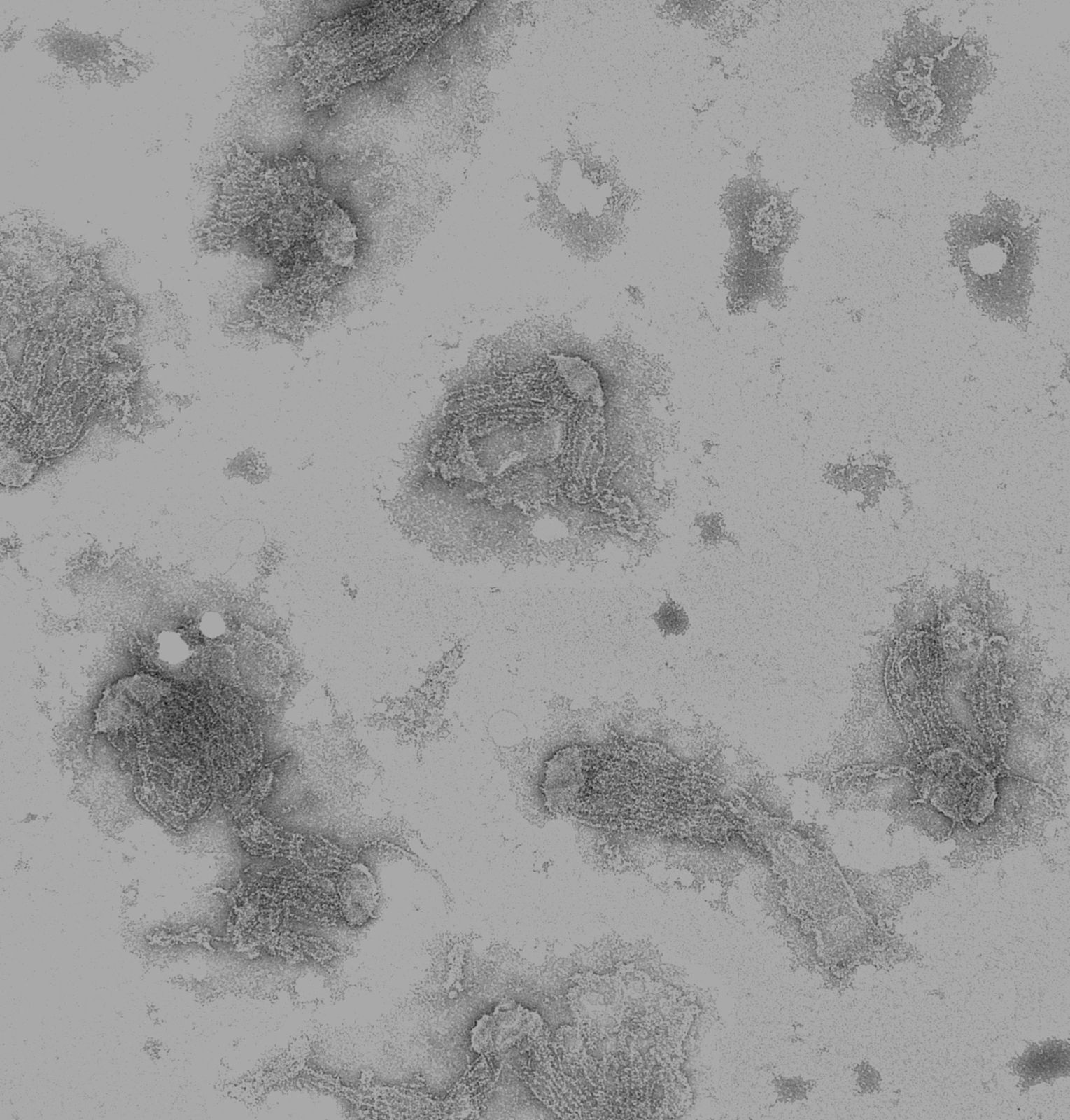
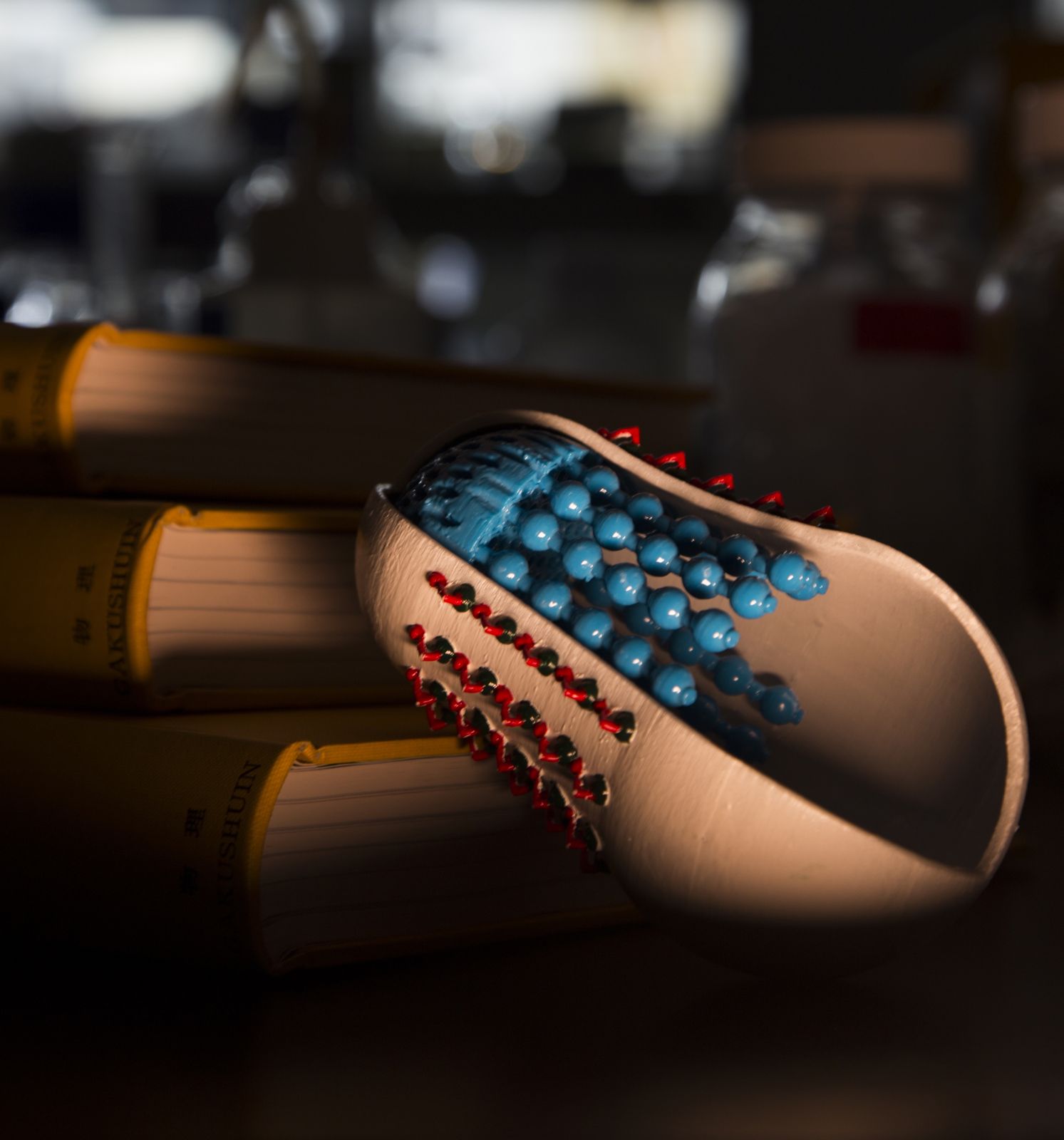
私たちの研究成果は新聞などでも取り上げられています。また、これまでにいくつもの学術雑誌で表紙にも選ばれています。

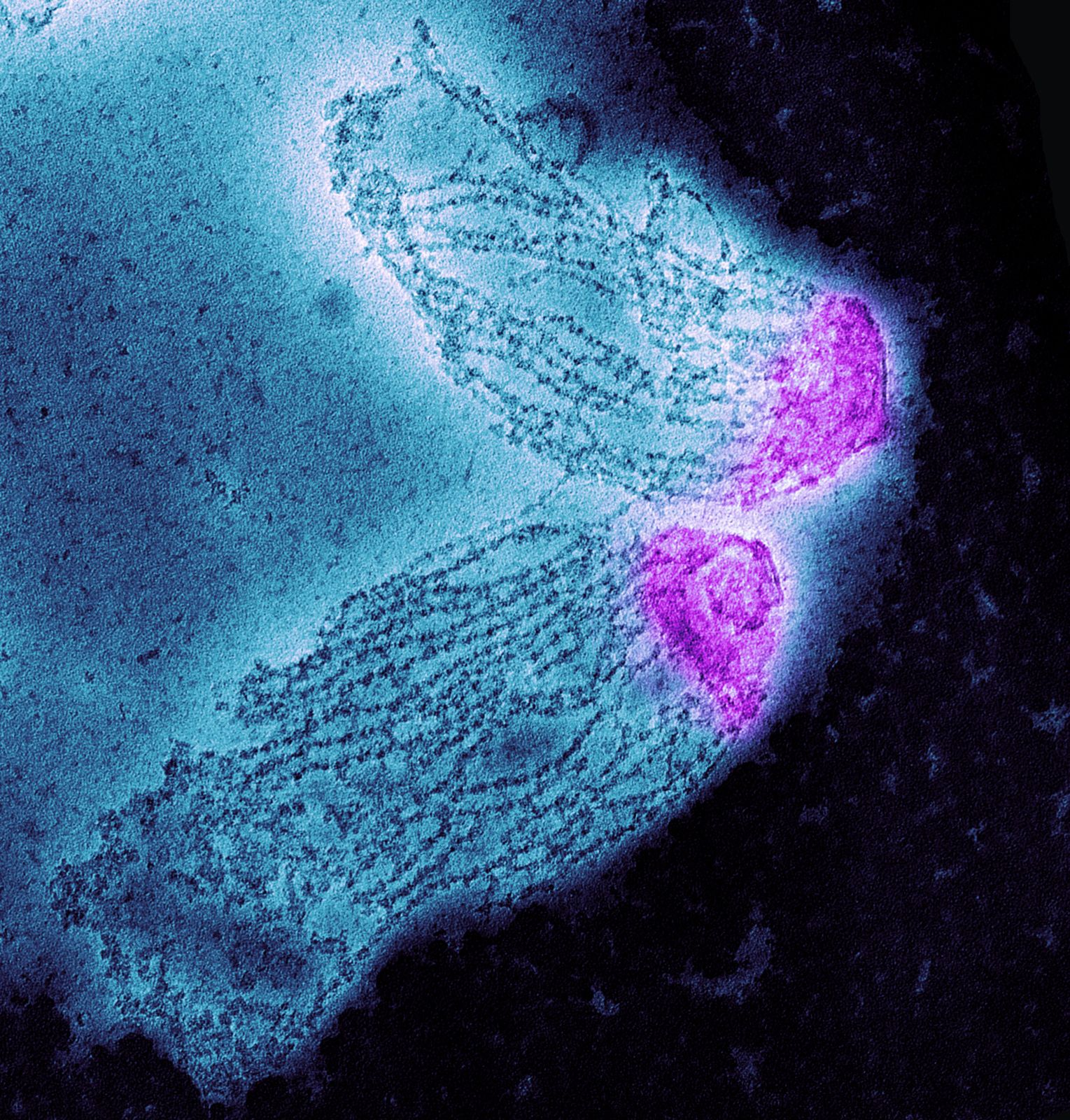
一緒に研究しませんか?
今から350年前、レーウェンフックは⼈類で初めて微生物を発⾒したと言われています。この時代、生命科学は十分に発達しておらず、微生物の純粋培養さえ確立されていませんでした。では、なぜ彼は微生物という小さな生物が “生きている” と認識できたのでしょうか?この理由の1つは「動き」にあります。彼が自作した顕微鏡は解像度が高く、微生物が動き回る様子を直接その目で観察することができました。彼は、1滴の池の水の中に無数の微生物をみたのです。これは、微生物の発見であると同時に、その動きの発見でもありました。
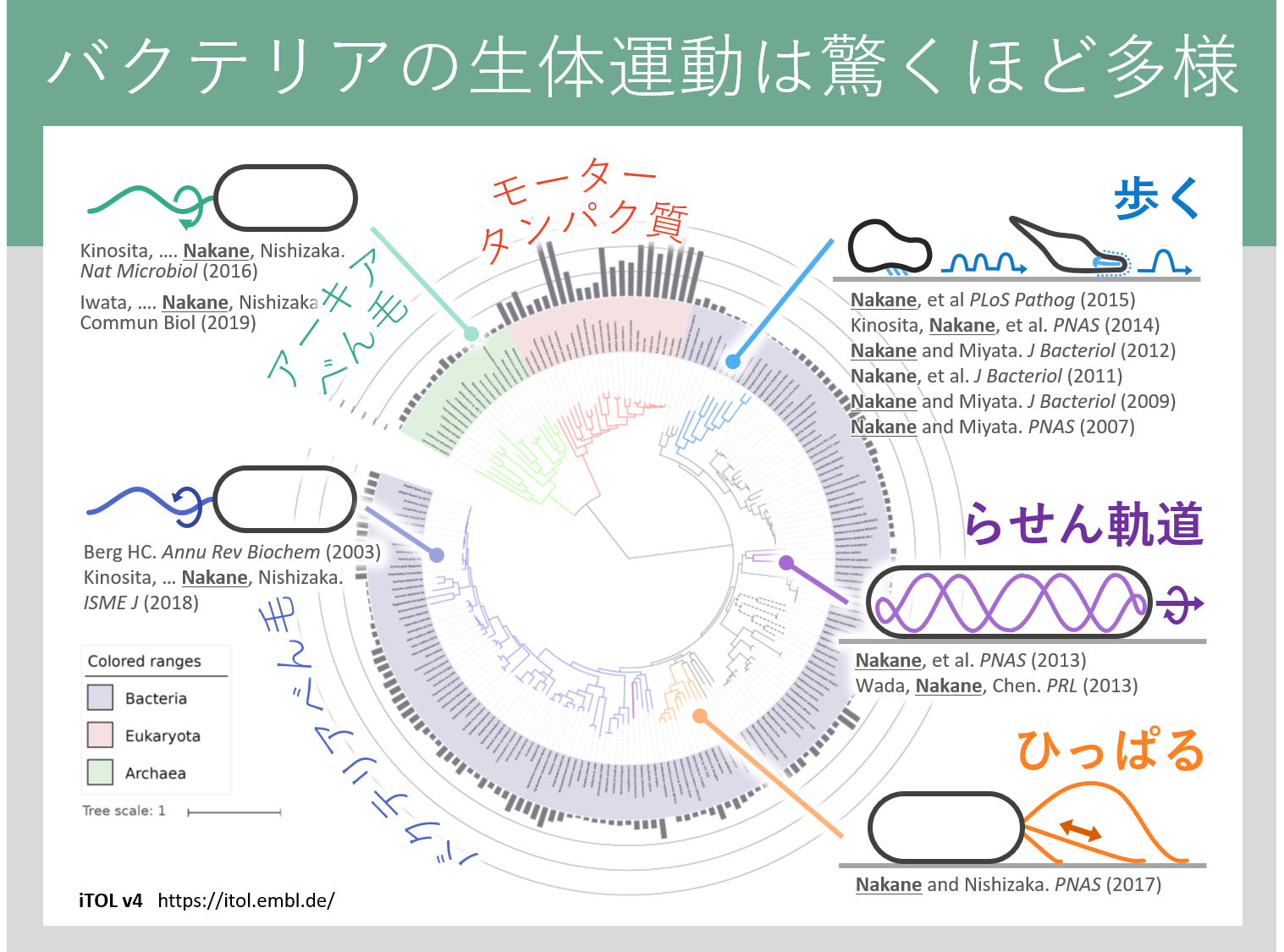
では、微生物はどのような仕組みで動くのでしょうか?実は、これがよくわかっていません。微生物の動く仕組みといえば、微小管とダイニンまたはアクチンとミオシンといった細胞骨格とモータータンパク質による力発生や、もっと原始的な細菌の場合には「べん毛」というらせん繊維による回転力発生が一般的かもしれません。ところが、これらでは説明できないような「動き」もたくさん存在し、その多くが未解明のまま残っています。この「変わった」運動は、特に多種多様な細菌から観察されており、たくさんの研究者を魅了しています。
みなさんも一緒に研究してみませんか?
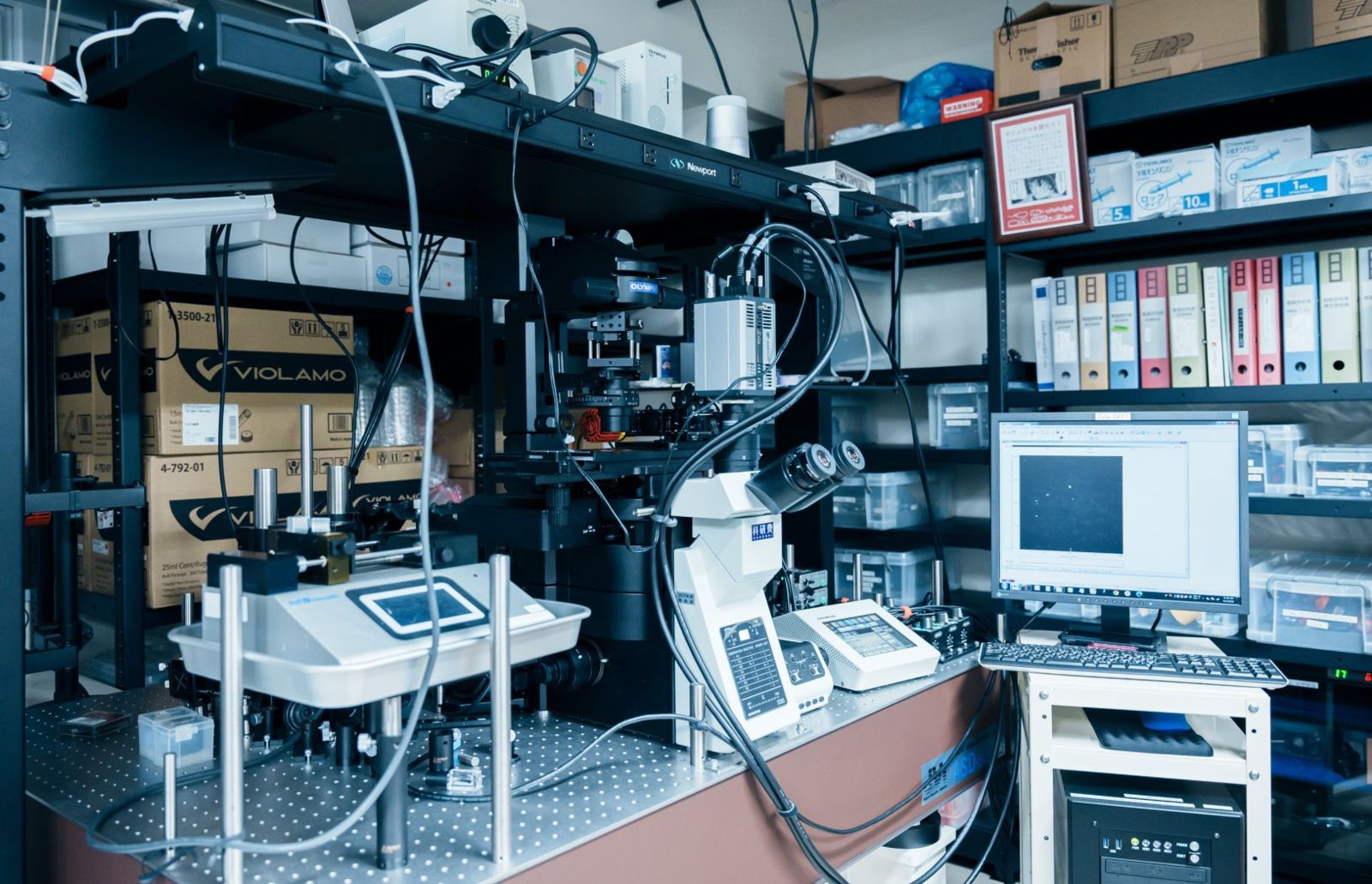
What is the lab like?
We are a new lab, launched in October 2020. The building itself isn't new, but Nakane is busy cleaning day and night to keep the lab tidy and well organized. Students are welcome to visit at any time. Feel free to contact Nakane.
If you don't know much about "microbes" or "optical microscopes" yet but would like to learn, you are very welcome too. We have lots of books so you can study on your own. My former boss also gave us a cool red sofa (his own). Let's discuss research here.
The lab is lined with equipment for culturing microbes. We take microbes out of an ultra-low-temperature freezer kept at -80 °C and grow them in incubators. We have many kinds of bacteria, so research topics never overlap. We decide on independent topics together, talking with each of you about which bacteria you'd like to start working on.
The cultured bacteria are observed under optical microscopes. The setup changes depending on what you want to measure or see. Customizing the equipment to fit your own topic is one of the fun parts of research.
Some measurements need modifications to the equipment. You get hands-on with the instruments, understand them well, and then do the experiments. It takes time, but this process is very important. We also have plenty of optical parts, so you can even design your own special microscope.
If you're interested, please come and visit the lab.
The lab door is decorated with photos of microbes, so you can't miss it.
What do we study?
We study how microbes move.
The Nakane Lab is a life-science lab launched in October 2020. Every day we take on the challenge of uncovering new worlds in life science by watching tiny organisms about one-thousandth of a millimeter in size. Why not tweak an optical microscope a little and observe them with us? You can unlock the secrets of life.
Movement is a fundamental attribute of all living organisms. Many bacteria swim freely in a fluid with a rotation of flagella filament. On the other hand, some tiny organisms have developed several varieties of cell motility without flagella. These mysterious movements have been very attractive to many researchers for long time. But it had remained unclear how bacteria move without flagella, and what is the machinery for cell propulsion. Recent advance on the visualization techniques of optical microscopy provides us dynamic behaviors of molecular machineries at a single cellular level in detail.
These movies of "microbes in motion" were all filmed by me.
Caballeronia insecticola Moves smoothly through narrow spaces made with a microfluidic device.
Thermus thermophilus Moves against water flow.
Flavobacterium johnsoniae A bacterium that crawls using a tank-like mechanism.
Mycoplasma mobile & Mycoplasma pneumoniae Tiny bacteria that move against water flow.
Synechocystis sp PCC6803 & Thermosynechococcus vulcanus Move like Spider-Man by extending and retracting "threads".
Spiroplasma eriocheris Swims by making "twists" in its own body. It can move even without flagella.
Caballeronia insecticola (Burkholderia insecticola) & Campylobacter jejuni Wrap their flagella around their bodies and move forward like a "drill".
The ways microbes, especially bacteria, move are remarkably diverse, and there is still a lot we don't know about why and how they move. Using optical microscopes, we image the "movement" and "shape" of single bacterial cells and single units of motility machinery at the micro- and nanoscale. In this way we aim to peek into new worlds of microbes that no one has ever seen and to open up new research fields.
Our research has been covered in newspapers and other media, and it has been featured on the covers of many scientific journals.
Want to do research with us?
About 350 years ago, Leeuwenhoek is said to have become the first person ever to discover microbes. At that time, life science was far from developed, and even pure culture of microbes had not been established. So how could he recognize that such tiny organisms were "alive"? One reason is "movement". The microscopes he built himself had high resolution, and he could watch microbes moving around with his own eyes. In a single drop of pond water, he saw countless microbes. This was the discovery of microbes and, at the same time, the discovery of their movement.
So how do microbes move? In fact, this is not well understood. When people think of how microbes move, they usually think of force generated by cytoskeletons and motor proteins, such as microtubules and dynein or actin and myosin, or, in more primitive bacteria, rotation of helical filaments called flagella. However, there are many kinds of "movement" that these cannot explain, and most of them remain unsolved. These "unusual" motilities are seen especially in a wide variety of bacteria, and they have fascinated many researchers.
Why not join us and do research together?
受賞Awards
- 2026.10第109回日本細菌学会関東支部会 優秀発表賞(M2 佐藤敦哉)Excellent Presentation Award, 109th Kanto Branch Meeting of the Japanese Society for Bacteriology (M2 Atsuya Sato)
- 2026.10藍藻の分子生物学 2026 優秀発表賞(M2 佐藤敦哉)Outstanding Presentation Award, 2026 Molecular Biology of Cyanobacteria Meeting
- 2025.10第108回日本細菌学会関東支部総会 優秀発表賞(M2 成田理亮)Excellent Presentation Award, 108th Kanto Branch General Meeting of the Japanese Society for Bacteriology (M2 Michiaki Narita)
- 2025.10第19回細菌学若手コロッセウム 優秀口頭発表賞(M1 長坂もゆ)Excellent Oral Presentation Award, 19th Young Bacteriologists' Colosseum (M1 Moyu Nagasaka)
- 2025.09日本微生物生態学会第38回大会 優秀ポスター賞(D2 上村直輝)Excellent Poster Award, 38th Annual Meeting of the Japanese Society of Microbial Ecology (D2 Naoki Uemura)
- 2025.09日本微生物生態学会第38回大会 優秀ポスター賞(調布北高校 連携学生 石黒花歩)Excellent Poster Award, 38th Annual Meeting of the Japanese Society of Microbial Ecology (Chofu-kita High School partner student Ishiguro)
- 2025.09日本微生物生態学会第38回大会 最優秀ポスター賞(調布北高校 連携学生 橋本茄月)Best Poster Award, 38th Annual Meeting of the Japanese Society of Microbial Ecology (Chofu-kita High School partner student Hashimoto)
- 2025.01BLAST XVII Microbiology Award for Outstanding Poster Presentation by a Graduate Student(D1 上村直輝)BLAST XVII Microbiology Award for Outstanding Poster Presentation by a Graduate Student (D1 Naoki Uemura)
- 2024.10日本微生物生態学会第37回大会 優秀発表賞(M2 島田佳季)Excellent Presentation Award, 37th Annual Meeting of the Japanese Society of Microbial Ecology (M2 Yoshiki Shimada)
- 2024.10日本微生物生態学会第37回大会 優秀発表賞(M1 横濱さらら)Excellent Presentation Award, 37th Annual Meeting of the Japanese Society of Microbial Ecology (M1 Sarara Yokohama)
- 2024.06第20回21世紀大腸菌研究会 優秀口頭発表賞(D1 上村直輝)Excellent Oral Presentation Award, 20th Meeting of the 21st Century E. coli Research Group (D1 Naoki Uemura)
- 2024.0621st IUPAB Congress 2024, Student and Early Career Researcher Poster Award(D1 上村直輝)21st IUPAB Congress 2024, Student and Early Career Researcher Poster Award (D1 Naoki Uemura)
- 2024.02Future Technologies from KUMAMOTO 第14回 マイクロ・ナノ工学シンポジウム 優秀講演論文表彰(M1 島田佳季)Outstanding Paper Presentation Award, Future Technologies from KUMAMOTO: 14th Micro-Nano Engineering Symposium (M1 Yoshiki Shimada)
- 2023.11第61回日本生物物理学会年会 学生発表賞(M2 吉岡青葉)Student Presentation Award, 61st Annual Meeting of the Biophysical Society of Japan (M2 Aoba Yoshioka)
- 2023.11日本微生物生態学会第36回大会 Rising to the Challenge Award(M2 上村直輝)Rising to the Challenge Award, 36th Annual Meeting of the Japanese Society of Microbial Ecology (M2 Naoki Uemura)
- 2023.11日本微生物生態学会第36回大会 Young Scientist Multidisciplinary Award(M2 吉岡青葉)Young Scientist Multidisciplinary Award, 36th Annual Meeting of the Japanese Society of Microbial Ecology (M2 Aoba Yoshioka)
- 2023.10ThermusQ高度好熱菌研究を切り拓くネオテクノロジー 最優秀ポスター賞(M2 上村直輝)Best Poster Award, ThermusQ: Neo-Technologies Pioneering Extreme Thermophile Research (M2 Naoki Uemura)
- 2023.08第17回細菌学若手コロッセウム ASM Best Poster賞(M2 上村直輝)ASM Best Poster Award, 17th Young Bacteriologists' Colosseum (M2 Naoki Uemura)
- 2023.06Gordon Research Conference [Animal-Microbe Symbioses] Poster Award(M2 吉岡青葉)Gordon Research Conference [Animal-Microbe Symbioses] Poster Award (M2 Aoba Yoshioka)
- 2023.03第96回日本細菌学会総会 優秀発表賞(M1 上村直輝)Excellent Presentation Award, 96th Annual Meeting of the Japanese Society for Bacteriology (M1 Naoki Uemura)
- 2022.11日本微生物生態学会 第35回大会 優秀ポスター賞(M1 吉岡青葉)Excellent Poster Award, 35th Annual Meeting of the Japanese Society of Microbial Ecology (M1 Aoba Yoshioka)
- 2022.11日本微生物生態学会 第35回大会 最優秀ポスター賞(M1 上村直輝)Best Poster Award, 35th Annual Meeting of the Japanese Society of Microbial Ecology (M1 Naoki Uemura)
- 2021.04令和3年度4月 科学技術分野の文部科学大臣表彰 若手科学者賞(中根大介)The Young Scientists' Award, Commendation for Science and Technology by the Minister of Education, Culture, Sports, Science and Technology, April 2021 (Daisuke Nakane)
- 2017.09日本生物物理学会 若手奨励賞(中根大介)Early Career Award in Biophysics, Biophysical Society of Japan (Daisuke Nakane)
- 2015.03日本細菌学会 黒屋奨学賞(中根大介)Kuroya Award, Japanese Society for Bacteriology (Daisuke Nakane)
- 2011.02井上科学振興財団 研究奨励賞(中根大介)Inoue Research Award for Young Scientists, Inoue Foundation for Science (Daisuke Nakane)
- 2010.07国際マイコプラズマ学会 Louis Dienes Award(中根大介)Louis Dienes Award, International Organization for Mycoplasmology (Daisuke Nakane)
- 2010.05日本マイコプラズマ学会 ベストプレゼンティション賞(中根大介)Best Presentation Award, Japanese Society of Mycoplasmology (Daisuke Nakane)
これまでお世話になった研究費Research funding
- 文科省 SPReAD 代表MEXT SPReAD, PI
- 科研費 基盤研究 (B) 代表KAKENHI Grant-in-Aid for Scientific Research (B), PI
- JST 創発的研究支援事業JST FOREST Program
- 科研費 学術変革領域 (B) 微生物が動く意味 計画班 代表KAKENHI Transformative Research Areas (B) "Why Microbes Move", Planned Research, PI
- 科研費 基盤研究 (C) 代表KAKENHI Grant-in-Aid for Scientific Research (C), PI
- 科研費 新学術領域 情報物理 公募 代表KAKENHI Innovative Areas "Information Physics of Living Matters", Publicly Offered Research, PI
- 科研費 若手研究 (A) 代表KAKENHI Grant-in-Aid for Young Scientists (A), PI
- 科研費 新学術領域 運動マシナリー 公募 代表KAKENHI Innovative Areas "Harmonized Supramolecular Motility Machinery and Its Diversity", Publicly Offered Research, PI
- 科研費 スタート支援 代表KAKENHI Grant-in-Aid for Research Activity Start-up, PI
- 科研費 特別研究員奨励費 PDKAKENHI Grant-in-Aid for JSPS Fellows (PD)
- 科研費 特別研究員奨励費 DC1KAKENHI Grant-in-Aid for JSPS Fellows (DC1)
- 武田科学技術振興財団 ライフサイエンス研究助成Takeda Science Foundation, Life Science Research Grant
- サムコ科学技術振興財団 研究助成Samco Foundation, Research Grant
- 野口遵研究助成金Noguchi Shitagau Research Grant
- 精密測定技術振興財団 調査・研究助成Precise Measurement Technology Promotion Foundation, Research Grant
- 内藤記念科学振興財団 次世代育成支援研究助成金The Naito Foundation, Research Grant for Supporting Next-Generation Researchers
- 光科学技術研究振興財団 研究助成The Research Foundation for Opto-Science and Technology, Research Grant
- 加藤バイオサイエンス振興財団 研究助成(優秀賞)Kato Memorial Bioscience Foundation, Research Grant (Excellence Award)
- 長瀬科学技術振興財団 研究助成Nagase Science Technology Foundation, Research Grant
- 中島記念国際交流財団 日本人若手研究者助成金Nakajima Foundation, Grant for Young Japanese Researchers
- 日揮・実吉奨学会 研究助成金JGC-S Scholarship Foundation, Research Grant
- 上原記念生命科学財団 研究奨励金The Uehara Memorial Foundation, Research Incentive Grant
- 旭硝子財団 研究奨励The Asahi Glass Foundation, Research Encouragement Grant
- 内藤記念科学振興財団 記念特定研究助成金The Naito Foundation, Naito Memorial Grant for Specific Research
- 発酵研究所 一般研究助成Institute for Fermentation, Osaka (IFO), General Research Grant
- 内藤記念科学振興財団 奨励金・研究助成The Naito Foundation, Research Grant
所属学会Academic societies
日本生物物理学会、日本細菌学会、日本微生物生態学会、米国微生物学会Biophysical Society of Japan, Japanese Society for Bacteriology, Japanese Society of Microbial Ecology, American Society for Microbiology